Bangkok's street food scene is legendary among food lovers worldwide. The city's chaotic, vibrant streets are lined with carts, stalls, and temporary cooking stations producing some of the world's most delicious food. While traditional Thai restaurants offer refined versions of classics, the true soul of Bangkok's cuisine exists on its streets—where vendors perfect their craft through decades of practice, selling to locals who know quality.
This guide explores Bangkok's most authentic street food neighborhoods, introduces essential dishes you must try, and provides practical advice for eating safely and successfully navigating this gastronomic adventure. Whether you're a spice enthusiast, adventurous eater, or simply someone seeking authentic cultural experiences through food, Bangkok's street food will not disappoint.
Chinatown (Yaowarat): Bangkok's Gastronomic Heart
Yaowarat, Bangkok's historic Chinatown, is ground zero for street food. The neighborhood throbs with energy, especially in evenings when vendors set up stalls and the streets transform into an outdoor dining experience. Yaowarat Road is the main thoroughfare, but venture into side streets to discover local favorites.
Essential Yaowarat Dishes
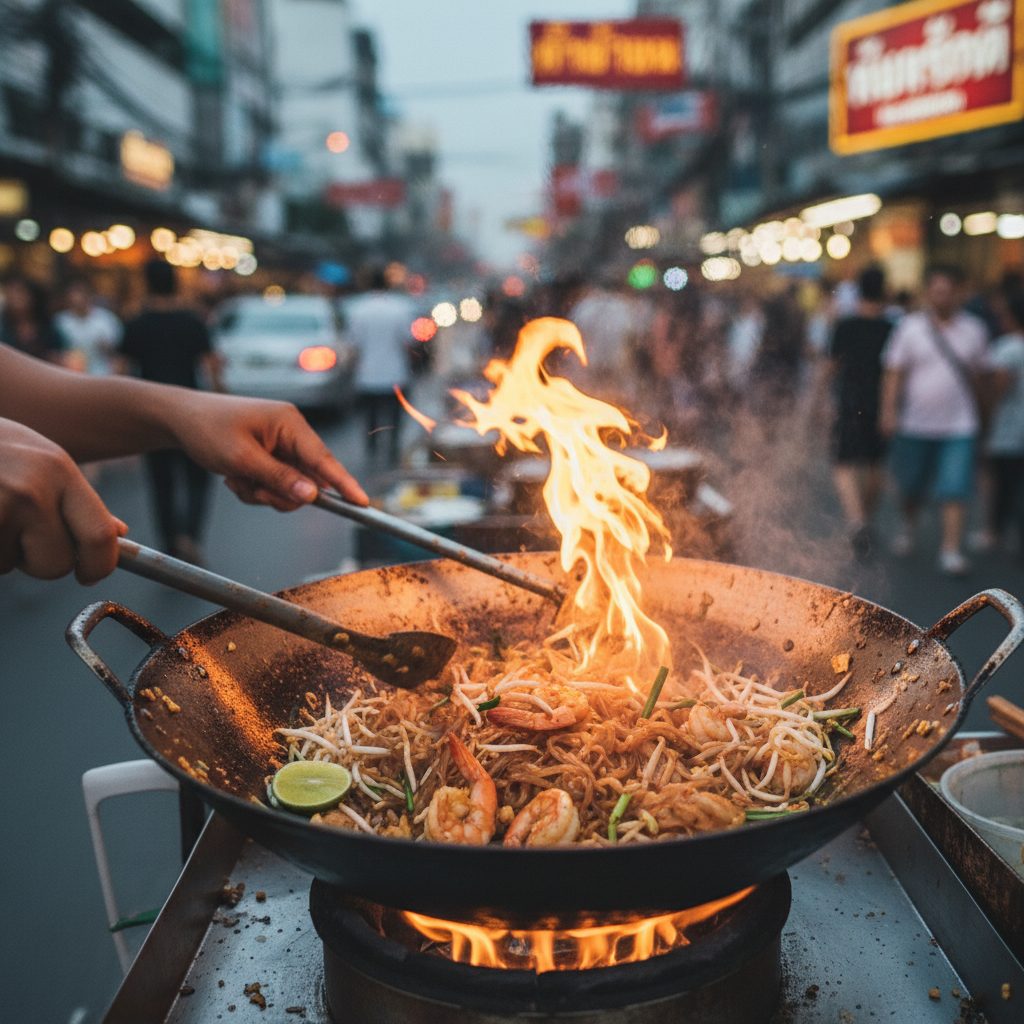
Pad Thai: While Pad Thai is ubiquitous throughout Thailand, the street vendors of Yaowarat prepare versions that showcase why this dish is beloved. Cooked on massive woks over high heat, fresh Pad Thai involves rice noodles, shrimp or chicken, bean sprouts, peanuts, and lime juice. The balance of salty, sour, and slightly sweet flavors, combined with the texture of just-cooked noodles, is perfection. A plate costs 40-60 baht ($1.20-1.80 USD).
Satay (Sate): Grilled meat skewers coated in a rich peanut sauce, satay is street food at its finest. Vendors grill bamboo skewers of chicken, beef, or pork over charcoal, then dip them in warm peanut sauce. The char from the grill combined with nutty sauce creates an addictive combination. Order multiple skewers—satay is meant for sharing. Cost: 1-3 baht per skewer.
Mango Sticky Rice (Khao Niao Mamuang): This dessert masterpiece combines sweet sticky rice with fresh mango. The sticky rice is infused with coconut milk and sugar, creating a creamy base that contrasts with the tropical sweetness of ripe mango. Many vendors offer seasonal variations with other fruits. Cost: 30-50 baht.
"The street food of Yaowarat isn't prepared with less care than restaurants—it's often prepared with more. These vendors have spent thirty years perfecting their wok technique and sauce balance. You're eating the accumulated expertise of generations."
Yaowarat Navigation Tips
- Visit in evening (5 PM onwards) when most food vendors set up
- Walk slowly—vendors line the streets, and the best finds are easy to miss
- Follow locals; if a stall has a queue, it's probably excellent
- Bring small bills; many vendors don't have large change
- Use hand gestures or pointing to order if language is a barrier
Chinatown Street Safety Tips
Yaowarat can feel chaotic and crowded, especially evenings. Watch your belongings, keep bags zipped and close to your body, and avoid flash displays of valuables. The area is safe, but pickpocketing occurs in crowds. Go with friends rather than alone, and inform someone where you're exploring.
Chatuchak Market: The World's Largest Weekend Market
Chatuchak Market, operating weekends, is a massive marketplace where every conceivable Thai product is sold—including exceptional food. While Chatuchak is famous for shopping, the food section is a destination in itself for serious street food enthusiasts.
Must-Try Chatuchak Food
Khao Soi: This northern Thai curry dish features crispy egg noodles topped with curried chicken or beef, garnished with pickled mustard greens and chili oil. The combination of creamy coconut curry, crispy noodles, and bright acidic pickles creates a complex flavor profile that keeps you reaching for more. Cost: 60-80 baht.
Grilled Whole Fish: Vendors grill whole fish—often sea bass or snapper—over charcoal, serving them with chili sauce, lime, and jasmine rice. The fish is seasoned with just salt and pepper, allowing the natural flavors to shine. The charred skin is crispy, the flesh moist and delicate. Cost: 100-150 baht depending on fish size.
Thai Crepes (Roti): These thin, stretched pancakes are cooked on a hotplate until crispy, then filled with condensed milk, chocolate, banana, or savory options like egg and cheese. The contrast between crispy exterior and soft, sweet filling is addictive. Cost: 20-40 baht.
Grilled Squid and Shrimp: Charcoal-grilled squid (pla-meuk) and shrimp are served with lime-based chili sauce. The grilling adds depth to the briny flavors, and the texture remains tender despite the high heat. Eaten with sticky rice, it's an authentic street food experience. Cost: 60-100 baht.
Navigating Chatuchak
Chatuchak is massive—roughly 15,000 stalls across 27 sections. Food vendors cluster in specific zones, particularly near the edge sections. Arrive early (before 11 AM) to avoid crowds and secure the best products. Bring cash—ATMs exist but lines get long. Wear comfortable shoes; you'll walk extensively.
Or Tor Kor Market: Premium Thai Produce and Food
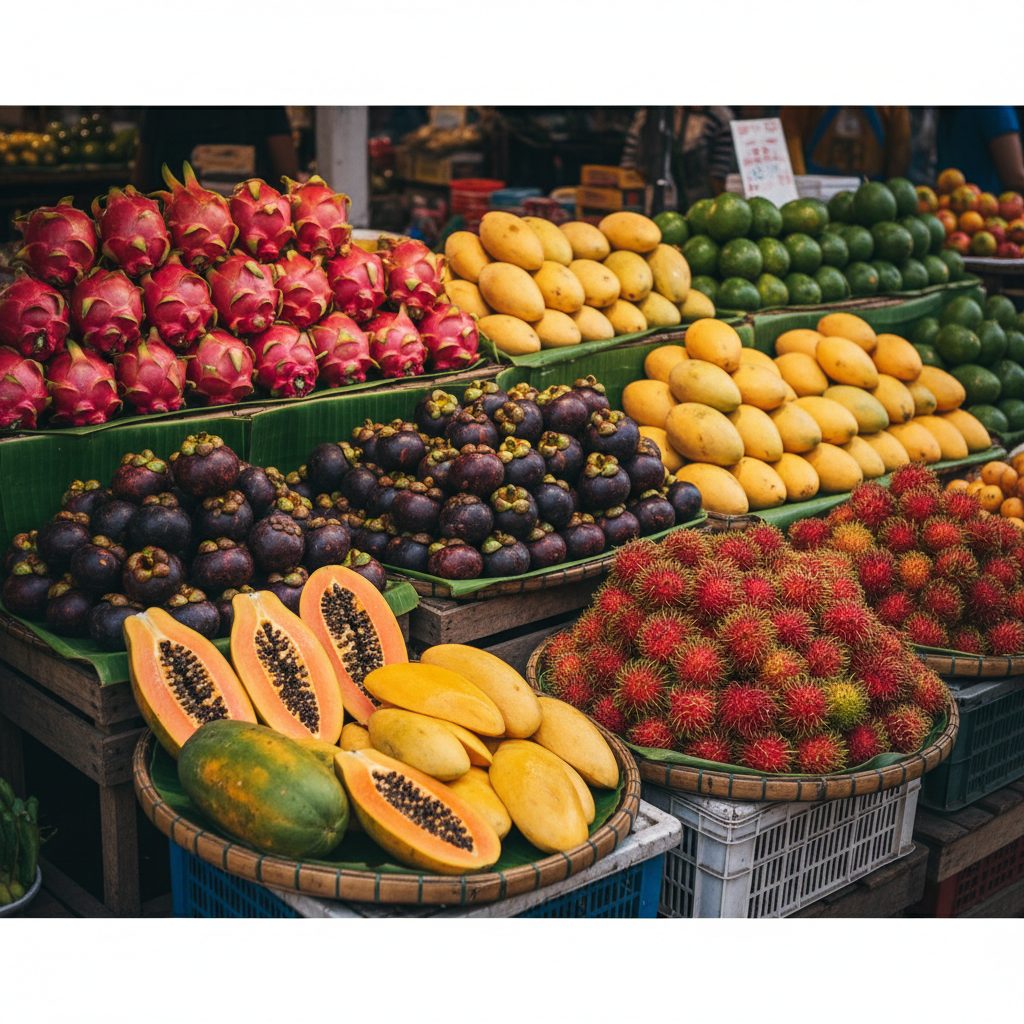
Located in the Chatuchak area, Or Tor Kor Market is Thailand's government-run quality-certified market. Unlike Chatuchak's massive chaos, Or Tor Kor focuses on premium, certified products. It's cleaner and more organized, appealing to travelers who want higher sanitation standards.
What to Eat at Or Tor Kor
Fresh Fruit Smoothies: Or Tor Kor features vendors selling smoothies made from premium fruit—mangoes, papaya, pineapple—blended fresh to order. The quality of fruit means the smoothies taste like concentrated essence of fruit. Cost: 40-60 baht.
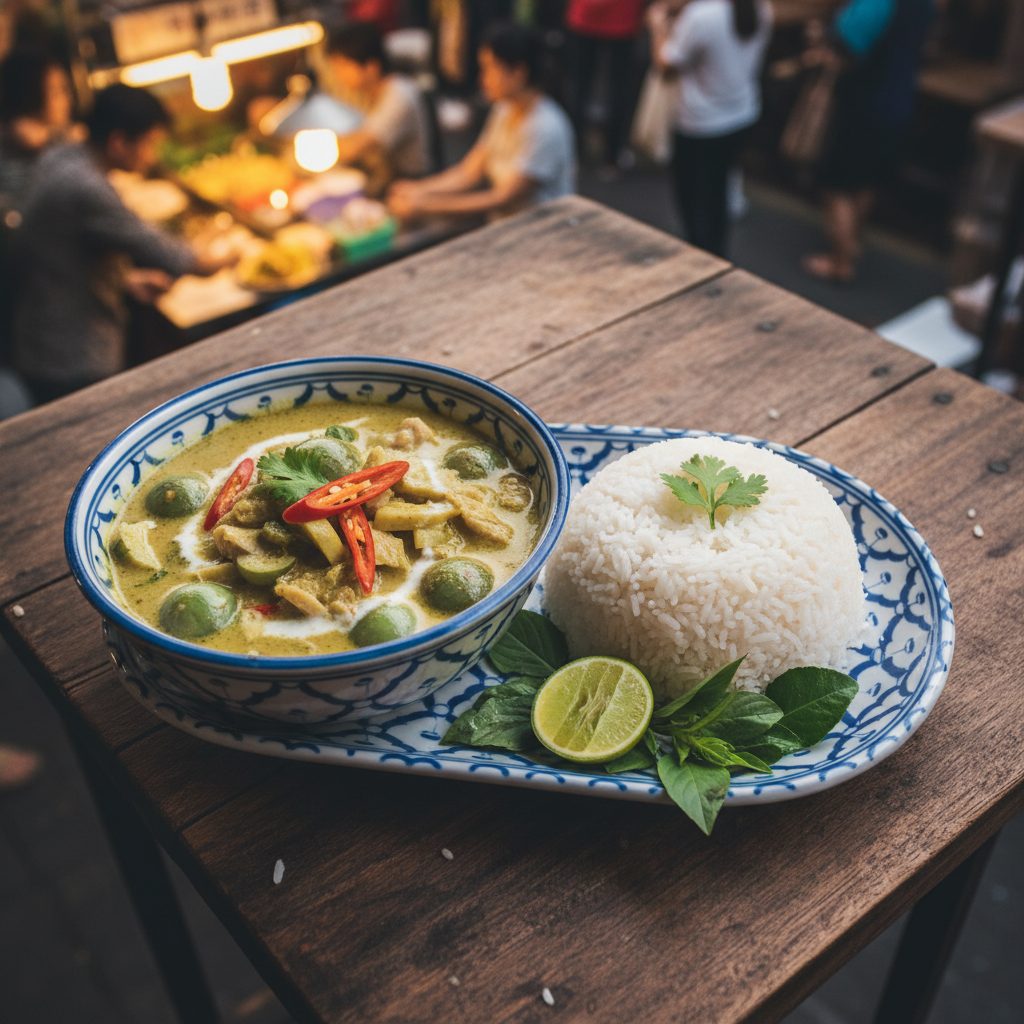
Prepared Dishes: While Or Tor Kor emphasizes fresh produce, prepared food vendors offer curries, stir-fries, and soups made with certified ingredients. The standards are higher than typical street food, appealing to those concerned about hygiene while maintaining authentic flavors.
Grilled Meats and Sausages: Northern Thai sausages (sai oua) and grilled meats are excellent quality. The sausages, containing ground pork with herbs and spices, are char-grilled and served with sticky rice and chili sauce.
Street Food Hygiene Practices
Choose vendors with high turnover—fast movement of food means freshness. Avoid foods sitting uncovered in heat for extended periods. If a vendor's setup looks dirty, trust your instinct and move on. Bangkok's street food scene has incredibly low food poisoning rates despite appearances; vendors take pride in food safety. Eating where locals eat is generally safe; their health depends on it.
Must-Try Bangkok Street Foods
Pad Krapow Moo (Pork with Holy Basil Stir-Fry)
This humble dish—minced pork stir-fried with holy basil (kaprow)—is fundamental to Thai cuisine. The holy basil provides an anise-like flavor that's distinctly Thai. Served with jasmine rice and a fried egg, it's satisfying, flavorful, and costs under $2. This dish showcases how Thai street food achieves complexity from simple ingredients.
Tom Yum Goong (Spicy Shrimp Soup)
This iconic Thai soup combines shrimp, lemongrass, galangal, and chili to create a complex balance of spicy, sour, and aromatic. Street vendors serve it in plastic bowls, maintaining the flavors while providing portability. The soup is both comforting and exciting—familiar yet deeply exotic. Cost: 40-60 baht.
Sorn Tam (Papaya Salad)
Made by pounding unripe papaya with chilies, garlic, lime, and fish sauce, Som Tam is a bright, spicy, refreshing salad. The preparation is theatrical—vendors pound ingredients in a mortar while you wait, creating a custom heat level. The salad showcases Thai flavors in raw form, with no cooking required. Cost: 30-50 baht.
Larb (Spicy Meat Salad)
This northern Thai dish combines ground meat (pork, chicken, or duck) with herbs, lime juice, fish sauce, and roasted rice powder. The flavors are bold—spicy, sour, funky from fish sauce—and the texture is crumbly. It challenges Western palates but rewards adventurous eaters. Cost: 40-70 baht.
Meatball Noodles (Rad Na)
Rice noodles are topped with gravy containing meatballs, vegetables, and seasonings. The dish is served in a bowl, and the gravy thickens the noodles while adding richness. It's comfort food elevated—simple but deeply satisfying. Cost: 35-50 baht.
Practical Street Food Eating Guide
Ordering System
Many vendors don't speak English; point to what you want or use photos on your phone to show what appeals to you. For spice level, hold up fingers indicating desired heat (1-5 is common). Most vendors are patient with tourists and appreciate the effort to try Thai food authentically.
Payment
Street food vendors deal in cash exclusively. Thailand uses the Baht (THB), with 1 USD approximately equal to 33 Baht. ATMs are ubiquitous throughout Bangkok. Small bills (20-100 Baht notes) are most practical for street food; vendors appreciate not having to make large change for 500-1000 Baht notes.
Eating Culture
Thai street food is meant to be interactive. Locals stand and eat, chat with vendors, and engage in the social experience. Don't feel rushed if you linger. Take photos of your food if desired—vendors are usually proud of their work. Compliment good food; vendors appreciate recognition.
Spice Management
Thai food can be extremely spicy. Indicate your spice tolerance clearly. If you order spicy food and it's overwhelming, cool your mouth with rice, milk, or sweet items—water doesn't help capsaicin. Gradually build tolerance over your visit rather than diving into maximum heat immediately.
Best Times to Eat
- Breakfast (6-9 AM): Rice porridge, noodle soups, and fresh pastries
- Lunch (11 AM-1 PM): Most vendor variety; curry dishes, rice-based meals
- Dinner (5-9 PM): Maximum vendor presence, especially in Chinatown
- Late Night (9 PM onwards): Specific vendors cater to night crowds with comfort food
A Perfect Bangkok Street Food Day
Morning (7 AM): Start with rice porridge (jok) and Thai pastries at a local market. Freshness is peak early.
Mid-Morning (10 AM): Explore Or Tor Kor Market for fresh fruit smoothies and premium prepared dishes.
Lunch (12 PM): Visit a crowded noodle shop for Khao Soi or Pad Thai. Choose a vendor with a queue—it's a reliability indicator.
Afternoon (3 PM): Relax at a cafe. Thai coffee (iced, with sweetened condensed milk) is exceptional and costs under $1.
Early Evening (5 PM): Explore Yaowarat as vendors set up. Sample multiple items—satay, grilled fish, Thai crepes.
Late Evening (7-9 PM): Continue Yaowarat exploration or visit Chatuchak if it's weekend. The energy is maximum, and choices are endless.
"Bangkok's street food is democracy in action—no social hierarchy, no reservation lists, just excellent food available to everyone. A food vendor and a Thai CEO eat the same meal from the same stall for the same price."
Bangkok's street food is more than sustenance; it's a cultural experience, a journey through flavors, and a connection to Thailand's soul. Each dish tells a story of regional traditions, family recipes, and vendors' dedication to their craft. Whether you spend an afternoon or a week eating your way through Bangkok's streets, the memory of these flavors will linger long after you've left Thailand. Embrace the chaos, follow the aromas, and let Bangkok's street food transform your understanding of what food can be.