The decision to travel solo is both terrifying and transformative. Whether you're a young adult setting out on your first independent journey or someone at any stage of life seeking personal reinvention, solo travel offers something no guided tour or group vacation can provide: the freedom to discover who you are when you're entirely responsible for your own experience. This guide addresses every concern you might have about traveling alone—from safety to loneliness to practical logistics—and provides actionable strategies to make your solo travel dreams a reality.
The Psychology of Solo Travel: Why You Should Go
Before diving into logistics, let's address the emotional component. Solo travel can trigger anxiety, self-doubt, and fear. This is normal. But these emotions often mask deeper excitement and the genuine possibility for profound personal growth.
Building Confidence Through Independence
Solo travel forces you to become resourceful. You make every decision. You navigate unfamiliar places. You handle problems without backup. Each successful navigation of a train system or negotiation with a shop vendor builds genuine confidence that transfers to every area of your life. Unlike confidence gained from external validation, the confidence from solo travel comes from proving to yourself that you're capable.
Self-Discovery and Solitude
When traveling with others, you often fall into established relationship roles. Alone, you discover who you actually are without these scripts. You might discover you're braver than you thought, or that you need more quiet time than you realized, or that your sense of humor has a different flavor than your friends see. This self-knowledge is invaluable.
Freedom Without Compromise
Want to spend an entire day in a museum? Done. Want to skip the famous landmark everyone says you must see? Your choice. Want to eat at a restaurant that sounds interesting but slightly sketchy? You're the only one who has to be comfortable with it. Solo travel means every decision reflects your genuine interests, not a compromise with travel companions.
"Solo travel is the ultimate permission to be yourself without apology or explanation."
Safety First: Practical Security Strategies
Safety is the number one concern for solo travelers, particularly women. The good news: statistically, you're safe. The reality: awareness and preparation dramatically reduce risks.
Choosing Safe Destinations
Start with countries with strong tourism infrastructure and low crime rates against tourists. Nordic countries, Portugal, New Zealand, and Japan are excellent first solo trips. Avoid destinations with current political instability, high crime rates in tourist areas, or cultural factors that make solo travel particularly risky. Check your government's travel advisories—they're conservative but informative. Read recent travel blogs; other solo travelers provide candid insights about safety.
Emergency Communication
Invest in international phone service before departure. A local SIM card often works better than international roaming and is cheaper. Ensure someone at home knows your rough itinerary and check in periodically. Share your location with trusted friends via Google Maps or similar services. Register with your embassy in-country; they can assist if problems arise. Carry the phone number of your embassy, hostel, and local tourist police.
Accommodation Safety
Book reputable hostels, hotels, or guesthouses with good reviews mentioning safety. Arrive during daylight when possible. Check that doors lock properly and windows have working latches. Don't announce that you're traveling alone—let staff think you're part of a group but running late. Some women prefer private rooms despite higher cost; your comfort and peace of mind are worth the money. Request rooms away from dark alleys if possible. Trust the vibe of a place—if something feels unsafe, move on.
Street Safety and Awareness
Be aware of your surroundings without being paranoid. Avoid walking alone at night in unfamiliar areas. Use official taxis or ride-sharing apps, not unlicensed cabs. Keep your phone charged. Don't display expensive jewelry, cameras, or large amounts of cash. Dress respectfully for the culture—this isn't about hiding; it's about not advertising that you're a tourist. Keep most valuables in a hotel safe; carry only daily needs.
Trusting Your Instincts
Women's intuition exists for a reason. If someone makes you uncomfortable, that's enough reason to leave a situation. If a "helpful stranger" feels off, politely disengage. If a restaurant seems sketchy, eat elsewhere. Your gut feeling is valuable information. Conversely, don't let fear prevent you from genuine interactions and experiences. The goal is awareness, not paranoia.
Choosing Your Destination: Finding the Right Fit
Your first solo destination should balance safety, accessibility, and interest. Consider these factors when deciding:
Language Considerations
English-speaking countries or countries with strong English tourism infrastructure make everything easier your first time. You can always venture to less English-friendly destinations later. However, don't eliminate fascinating countries just because of language barriers—many offer excellent hostel networks with English-speaking staff and fellow travelers who can help.
Cost of Living
Cheap destinations allow longer trips on smaller budgets, reducing financial stress. Southeast Asia, Eastern Europe, and South America offer excellent value. Budget countries also often have excellent hostel networks and solo traveler communities, making connection easier. However, ultra-cheap destinations sometimes come with trade-offs in tourist infrastructure or food safety.
Solo Travel Culture
Some destinations are famous for solo travelers—Thailand, Australia, Argentina, Portugal. These countries have established hostel culture, regular social events for travelers, and an expectation of solo visitors. This makes meeting people easier and provides built-in support networks. First-timers benefit from these established communities.
Time of Year
Visit during shoulder seasons (between peak and off-season) for better prices, fewer crowds, and more authentic interactions with locals. Peak season crowds can be overwhelming and expensive for solo travelers. Off-season might mean reduced services or weather concerns. Shoulder seasons offer balance.
Packing Light: The Art of Solo Travel Luggage
Solo travel requires mobility. A large suitcase you can't lift means you're stuck whenever you need to change accommodation. This is one of the most important practical considerations for solo travel success.
The Right Luggage
Invest in a quality carry-on backpack (40-45 liters) or a small rolling suitcase you can handle alone. Test this before your trip—if you struggle with it, it's too large. Many solo travelers prefer backpacks because they're easier on stairs and narrow streets. Backpacks specifically designed for travel (like those from Osprey or Peak Design) distribute weight better than regular hiking packs.
What Actually Fits
You need far less than you think. Five to seven days of clothes is maximum—you'll do laundry in hostels (usually cheap) or at laundromats. One pair of comfortable walking shoes, one slightly nicer pair, and one indoor shoe. Minimal toiletries—everything is available everywhere, and travel sizes exist. One light sweater, lightweight rain jacket, and weather-appropriate layers. Electronics should be minimal: phone, charger, maybe a laptop. Pick one color scheme (black, gray, navy) so everything coordinates.
Packing Strategy
Roll clothes instead of folding to save space. Use packing cubes to organize items. Keep heavy items near the roller or at the bottom of a backpack. Leave room for souvenirs or items you acquire during travel. Accept that you'll rewear clothes—this is normal and fine. Pack only what you'd be comfortable carrying up multiple flights of stairs.
Staying Connected: Communication While Traveling
Staying in touch with home and meeting fellow travelers requires intentional strategy.
Mobile Data and Communication
Research local SIM cards before arrival. Most countries have tourist-friendly carriers offering cheap data plans. Buy a SIM at the airport upon arrival. This gives you data for navigation, communication, and emergencies. International plans from your home carrier are usually prohibitively expensive. Many hostels and cafés offer free Wi-Fi, so you can use WhatsApp or Messenger to communicate with home over data-free methods.
Managing Homesickness and Connection
Schedule regular check-ins with family or close friends—a weekly video call, for instance. This provides emotional connection without making you feel tethered to home. However, don't check in so frequently that you're not present in your travels. Balance staying connected with staying engaged with your destination.
Finding Fellow Travelers
Hostels are the primary hub for solo traveler connection. Free walking tours attract backpackers. Apps like Meetup or Internations host expat and traveler groups. Couchsurfing (even if not sleeping there) connects you with locals and travelers. Social media groups for your destination help you connect with others visiting at the same time. Don't force these connections, but be open to them.
Managing Loneliness: The Reality of Traveling Alone
Solo travel isn't lonely, but you will have lonely moments. This is different—loneliness is sadness about being alone, while solitude is contentment in being alone.
Recognizing Genuine Loneliness
Sometimes, despite beautiful surroundings and interesting experiences, you feel isolated and blue. This is normal. Travel highlights emotions you might suppress at home. Homesickness, sadness about past relationships, or existential questions often surface when traveling alone. Rather than fighting these feelings, acknowledge them. Journal about them. Take a day to rest and process.
Remedies for Loneliness
Hostels are the obvious solution—shared rooms and social events create connection. But even in hostels, you need to be proactive. Join group dinners, tours, or activities. Eat dinner in common areas rather than your room. But also, don't force socialization if you're genuinely not feeling it. Taking a day alone to recharge is different from lonely isolation.
Embracing Solitude
Some solo moments are precious. Watching sunrise alone from a mountain peak, having an undisturbed coffee in a café while people-watching, sitting with your thoughts by a river—these moments are gifts. Travel gives you permission to simply exist without entertaining anyone or being entertained. This solitude is healing and worthwhile.
Making Friends and Meaningful Connections
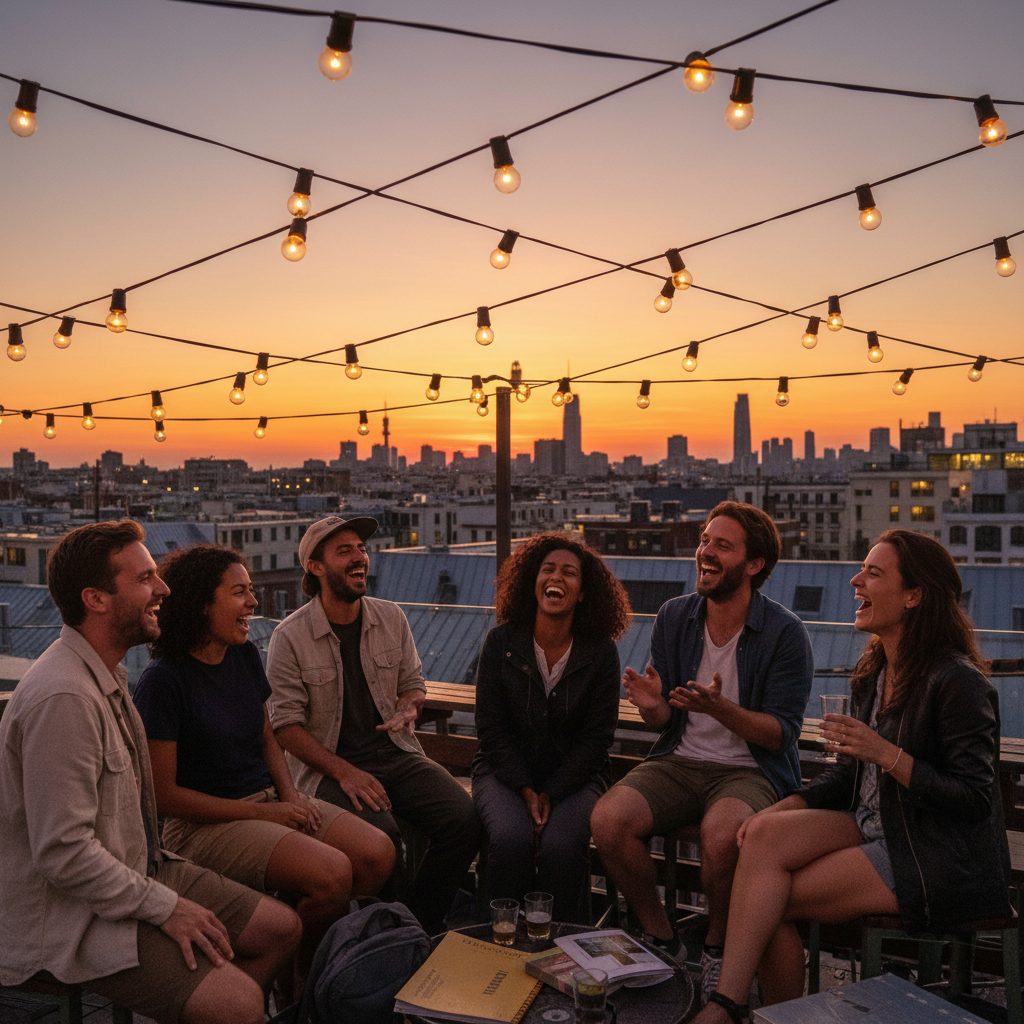
Solo travel often leads to deeper friendships than group travel, paradoxically. When you're alone, you're more open to genuine connection.
Meeting Fellow Travelers
Other backpackers understand the solo travel experience. These connections, while often temporary, can be profound. You share vulnerability and adventure. Exchange contact info with people you connect with—many of these friendships continue long after travel. The travel buddy you meet in Thailand might become a lifelong friend or travel companion on future trips.
Connecting with Locals
Locals offer perspectives tourists miss. Take a cooking class, stay in a locally-run guesthouse, take a free walking tour with a local guide, eat at neighborhood restaurants away from tourist areas. These interactions are more genuine than tours with large groups. Learn basic phrases in the local language—this shows respect and opens doors.
Building Genuine Relationships
Quality over quantity applies to travel friendships. Deep conversations with one person you really connect with matter more than surface-level interactions with many people. Be genuinely interested in people's stories. Ask thoughtful questions. Listen more than you talk. These are the connections people remember.
Budget Management: Financial Strategies for Solo Travelers
Managing money alone requires vigilance, but it's empowering and often results in spending less than group travel.
Creating a Realistic Budget
Research daily costs in your destination—accommodation, food, activities. Create a daily budget that feels sustainable. Include a buffer for emergencies or unexpected experiences. Cheap countries allow longer travel on smaller budgets. Expensive countries might mean shorter trips, but that's fine—you can always return.
Money Management While Traveling
Carry minimal cash; use cards for larger purchases. Have backup cards in separate locations. Notify your bank of travel dates. Use ATMs in busy, well-lit areas. Avoid moneychangers with poor rates. Travel insurance should cover theft, in case the worst happens. Keep receipts and track spending mentally or in a simple notebook—this prevents overspending and creates an interesting record of your journey.
Solo Dining Economics
Eating alone, you can't split meals or order appetizers as dinner. Eat where locals eat, not tourist restaurants—same quality, lower prices. Street food is cheap and authentic. Some restaurants charge less for smaller portions. Grocery stores have ready-made meals. Hostel kitchens let you cook for minimal cost. Cooking occasionally with other travelers can be social and economical.
Dealing with Practical Challenges
Solo travel involves solving problems without a partner to brainstorm. This is actually excellent—it builds resourcefulness.
Getting Sick or Injured
Travel insurance is essential—budget-level insurance covers emergencies. Know where the nearest clinic is and how to reach it. If you get sick, don't hesitate to rest for a day—your health matters more than your itinerary. Many hostels have staff who can help you find medical care. Have your blood type and important medical information written down. Keep basic medications for common ailments.
Missing Flights or Losing Items
Arrive extremely early for flights. Set multiple alarms. Check you have your passport before leaving accommodation. Take photos of important documents—store them in cloud storage. If you miss a flight, rebook immediately. If you lose something valuable, file a police report for insurance purposes, then move forward. These aren't catastrophes; they're learning moments.
Dealing with Harassment or Uncomfortable Situations
If someone harasses you, firmly say no and walk away. Don't engage with arguments. Report serious issues to police and your embassy. Trust venues recommended by your hostel—they're usually safe. If a situation feels unsafe, leave immediately. You never owe anyone your time or energy.
Planning Your Itinerary: Flexibility vs. Structure
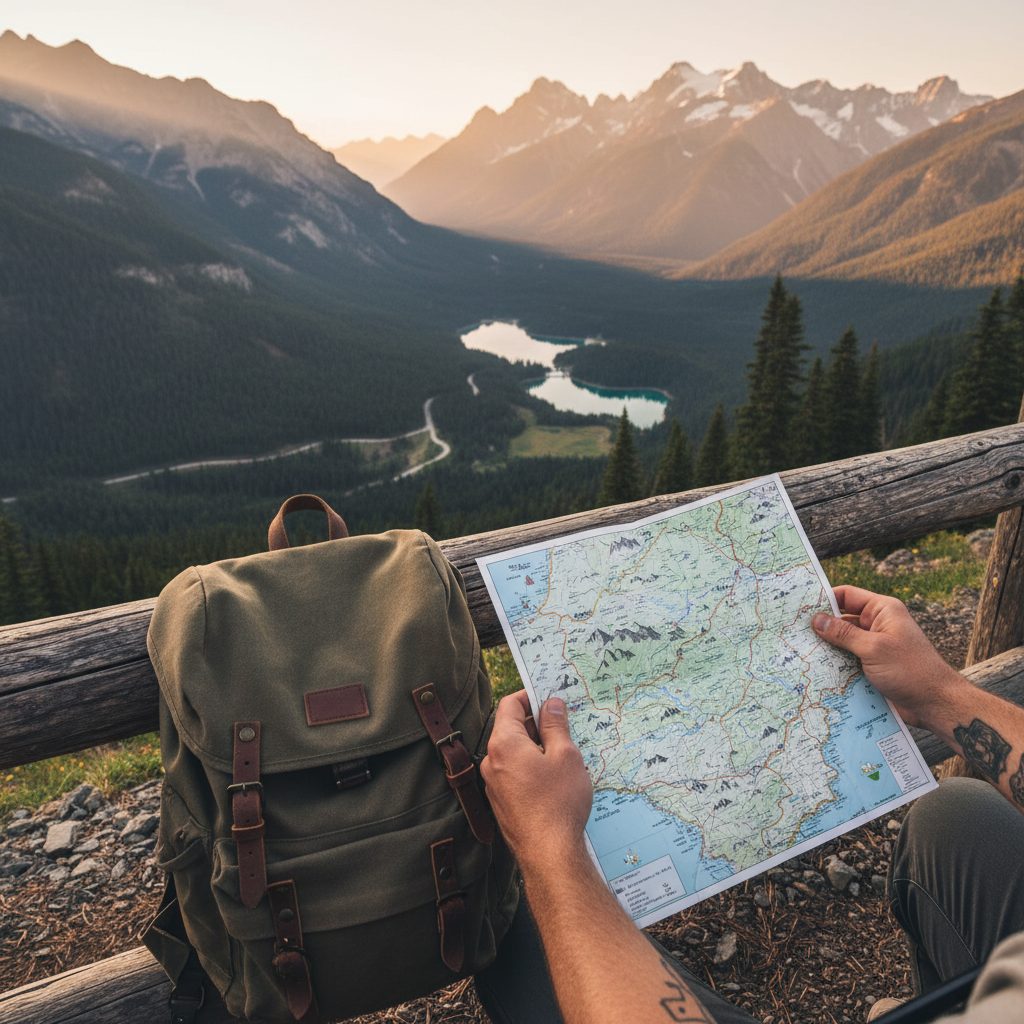
Solo travelers benefit from loose itineraries rather than rigid plans. You might fall in love with a place and want to stay longer, or a local recommendation might redirect your path entirely.
Creating a Flexible Framework
Plan general regions and approximate timing—"Southeast Asia for three weeks, starting in Thailand, moving to Vietnam and Cambodia"—but not exact daily schedules. Book transportation between major destinations (flights, trains) in advance. Book accommodations 1-2 days ahead, not months. This allows flexibility while ensuring you have somewhere to sleep.
Must-Sees vs. Authentic Experiences
Don't slavishly follow guidebook recommendations. If Angkor Wat doesn't genuinely interest you, skip it. If a hostel friend recommends an obscure waterfall, consider going. The best travel moments are often unplanned. However, do research enough to have a framework of possibilities.
Building Confidence for Your Journey
Anxiety before your first solo trip is normal. This anxiety doesn't mean you shouldn't go—it means the experience will change you, which is the point.
Preparation as Confidence Building
The more you prepare—research, packing practice, budget planning—the more confident you'll feel. Knowledge reduces anxiety. Read blogs from other travelers who took the same route. Watch YouTube videos of your destination. Join online communities of travelers. This preparation isn't obsessive; it's smart and calming.
Embracing the Unknown
At some point, you have to let go and trust yourself. You're more capable than you think. You've navigated unfamiliar situations before. You're resourceful, brave, and adaptable. The uncertainty of solo travel is terrifying, but it's also where growth happens. Give yourself permission to be uncertain and imperfect.
Your First Solo Trip: A Beginning, Not a Culmination
Your first solo trip is a beginning. You'll discover things about yourself you didn't know. You'll do things you didn't think you were capable of. You'll make memories that will sustain you for years. And you'll return home changed—more confident, more aware, more fully yourself.
You don't need everything perfectly planned. You don't need to be fearless (fear is fine). You don't need travel experience or language skills or any special training. You just need the willingness to show up, be present, and trust that you're capable of more than you imagine.
"The greatest journeys are those that take you not to new places, but to a new version of yourself."
So take that trip. Book the flight. Pack light. Embrace the adventure. Your solo travel story is waiting to be written.