Patagonia, that wild frontier where the Andes mountains collide with windswept steppe and turquoise glaciers, is paradise for trekkers. This region spanning southern Argentina and Chile offers some of the planet's most dramatic mountain landscapes, accessible to anyone with reasonable fitness and determination. Whether you're tackling the famous Torres del Paine W Trek or exploring the less-crowded trails around Fitz Roy and Perito Moreno, Patagonian hiking is an adventure that will test your body while exhilarating your soul. This guide covers the greatest hikes, detailed logistics, essential gear, and preparation strategies to ensure your Patagonian trek becomes the adventure of a lifetime.
Why Patagonia? Understanding the Region and Its Appeal
Patagonia's reputation as a trekking destination is well-earned. The region boasts superlative natural features—the granite towers of Torres del Paine, the jagged peaks of Fitz Roy, the massive ice faces of Perito Moreno Glacier. But what truly makes Patagonia special is the sense of wilderness and remoteness. These trails don't feel commercialized, despite being world-famous. You're trekking in genuinely wild terrain where weather can change dramatically and true isolation is possible. This isn't manicured European hiking; it's raw, demanding, and incredibly rewarding.
The Patagonian Climate Challenge
Patagonia's weather is infamous—notoriously unpredictable and often harsh. The region is exposed to constant wind, particularly in the Southern Hemisphere spring and summer (September-March). Rain can strike suddenly. Temperature swings of 20 degrees Celsius in a single day aren't uncommon. Yet this extreme weather is part of Patagonia's appeal. The toughness you develop trekking through wind and occasional rain connects you to the landscape in a profound way. Plus, weather challenges mean fewer crowds, which means more authentic wilderness experience.
Torres del Paine: The Crown Jewel of Patagonian Trekking
Torres del Paine National Park contains two legendary treks: the W Trek and the O Circuit. The W Trek is the most famous trek in South America, attracting thousands yearly. The O Circuit is the complete loop, more adventurous and less crowded.
The W Trek: Five-Day Highland Experience
The W Trek covers roughly 80 kilometers over five days (or four if you're very fit), connecting five major viewpoints that form a rough "W" shape on the map. The route includes Refugio Las Torres (the granite towers themselves), Valle del Francés (Valley of the French, stunning in its own right), Paine Grande (highest peak in the park), Lago Grey (the glacier), and various ridges offering panoramic views. Each day involves 5-7 hours of hiking at moderate to challenging intensity.
Day 1 typically involves hiking to Refugio Las Torres, where the iconic view of the three granite towers—Las Torres—greets you. This is a 5-hour hike gaining 400 meters elevation. The towers themselves are unclimbable for most, but standing at their base is an unforgettable experience. Day 2 involves a long but less strenuous trek to the French Valley, famous for its mountain vistas. Day 3 is the most challenging, climbing Paine Grande and crossing high passes with 360-degree views. Day 4 is grey-focused, hiking to Laguna Paine and eventually Refuge Grey for glacier views. Day 5 involves walking out, typically on easier terrain, though some versions end with hiking to and touring Grey Glacier.
The O Circuit: Complete Loop Challenge
The O Circuit is the W Trek extended into a complete loop, adding the quieter northern sections. It takes 8-10 days depending on route. The extra days include trekking through the lenga forests on the eastern side of the park, visiting remote lakes, and experiencing the full 360-degree circumnavigation of Paine Massif. The O Circuit is significantly less crowded than the W Trek because most trekkers do the shorter route. It offers more solitude and more diverse terrain—forests, high passes, glacial lakes, and steppe all in one trek.
"The Torres del Paine W Trek isn't just a hike—it's a pilgrimage to some of Earth's most sacred natural cathedrals."
Torres del Paine Logistics
The nearest town is Puerto Natales, about 90 kilometers away. Several daily buses connect Puerto Natales to the park entrance. Alternatively, most trekkers book with adventure companies offering guided trips that include transport, accommodation, meals, and guiding. Independent trekking is absolutely possible—book refugios in advance (essential during peak season), arrange transport to the trailhead, and off you go.
Accommodation ranges from budget hostels in Puerto Natales ($15-20) to luxury lodges in the park ($200+). Mid-range refugios ($60-100) are most popular, offering private or shared rooms, hot meals, and valuable community with other trekkers. Camping is possible in designated areas ($15-25) but requires your own equipment and resilience.
The best trekking season is December through February (Southern Hemisphere summer), offering longest daylight and warmest temperatures. However, this is also peak season with maximum crowds. September-November (spring) offers fewer people and reliable weather, though it's colder. The W Trek is technically possible year-round, but winter (June-August) is seriously challenging.
Fitz Roy and the El Chaltén Region
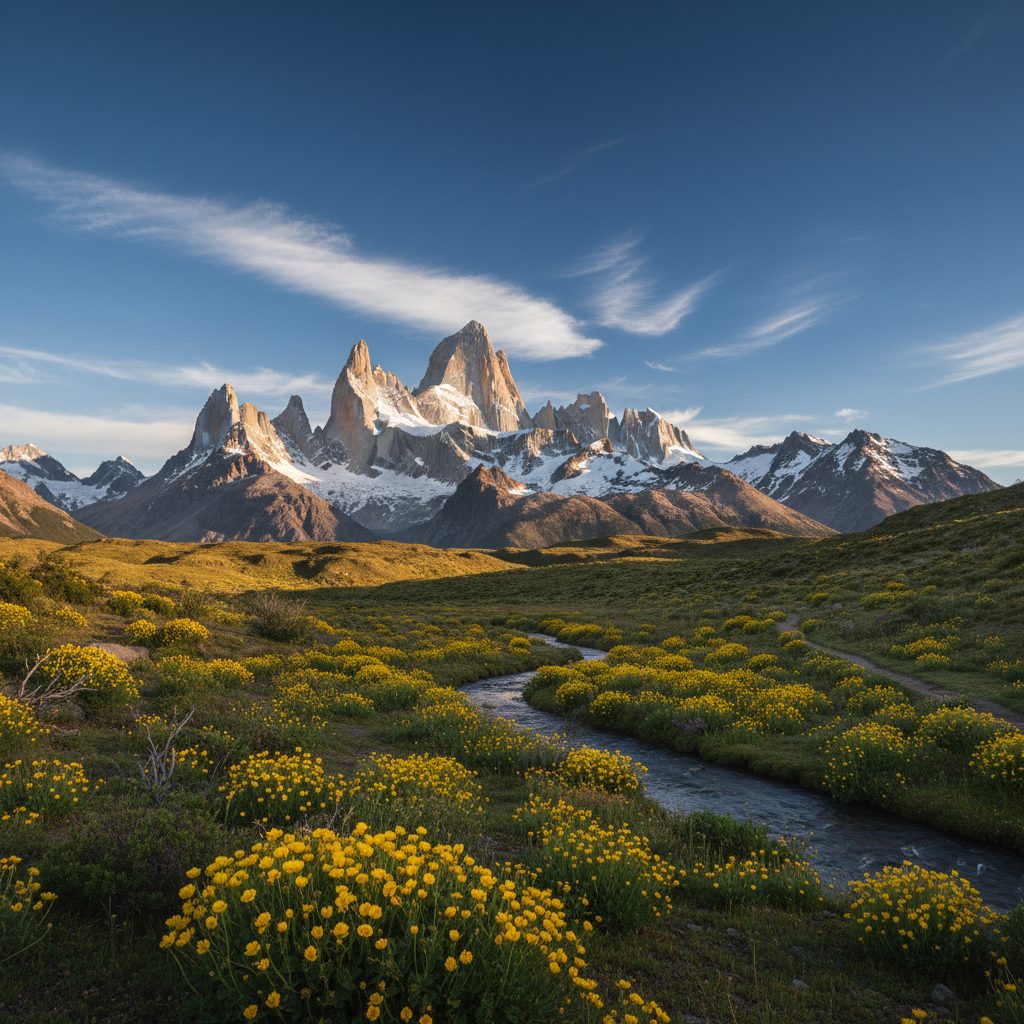
While Torres del Paine draws more fame, Argentina's El Chaltén offers equally spectacular trekking with less crowding. Fitz Roy (3,405m) and Cerro Torre are the region's iconic peaks, surrounded by dozens of excellent day hikes and multi-day treks.
Laguna de los Tres Picos (Mount Fitz Roy Trek)
This is the region's marquee hike—a challenging day trek to a viewpoint looking directly at Fitz Roy's dramatic peak. The hike involves 7 kilometers and 900 meters elevation gain over 4-5 hours. It's steep, particularly near the end, and exposed to wind, but the payoff—standing before Fitz Roy's near-vertical granite spire—justifies every step. The peak is climbed by technical mountaineers; hikers summit a nearby viewpoint offering equally stunning perspectives.
Laguna Torre Trek
This hike offers views of Cerro Torre (another iconic spire), plus the stunning Laguna Torre itself. It's slightly longer (9 km, 700m elevation gain) but somewhat less steep than the Fitz Roy trek. The combination—hiking to both views on two separate days—is a popular strategy.
Longer Multi-Day Options
The region offers several multi-day treks connecting El Chaltén to other areas. The trek to Laguna Sucia or Rio de las Vueltas offers backcountry experience with fewer crowds. The Circuito Chico combines several day hikes into a 2-3 day loop. These trails are less crowded than the main peaks and offer excellent wilderness experience.
El Chaltén Logistics
El Chaltén is a small village (population 400 in winter, 3000+ in summer) with a tourism focus. Accommodation ranges from luxury lodges to basic hostels ($20-30). The town has excellent restaurants, outfitters, and information services. Buses from Buenos Aires or regional towns connect to El Chaltén, though it's remote—expect 6-8 hour bus rides.
The main advantage of El Chaltén is day hiking flexibility. You can stay in comfortable accommodation and do day treks, returning to town each evening. This is less austere than multi-day trekking but easier for those with less backpacking experience. Day hikes leave from town early morning; most are 4-7 hours round trip.
Perito Moreno Glacier and Los Glaciares National Park
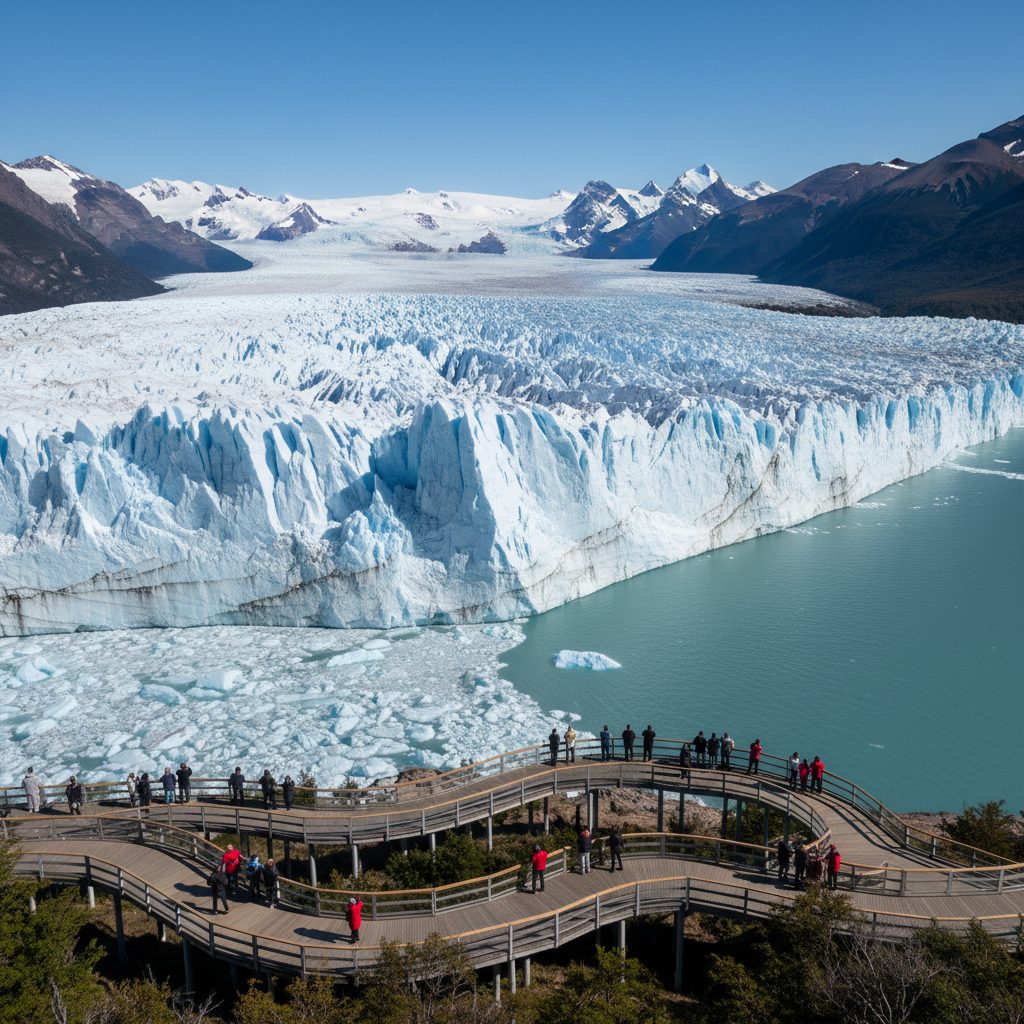
While technically not a hiking destination in the traditional sense, Perito Moreno Glacier deserves mention as essential Patagonian experience. The glacier is one of the few advancing glaciers in the world, moving roughly 2 meters daily. It's the size of a small city—5 kilometers wide, 60 kilometers long, 60 meters tall—genuinely humbling in scale.
Viewing the Glacier
The standard experience involves taking a tour from El Calafate (the regional hub) to the glacier viewing area. Various tours exist—some include boat tours at the glacier's base (where you see calving up close), some are walking tours along viewing trails. Most tourists do a half-day tour, though full-day options exist. This isn't hiking, but walking the trails offers perspective on the glacier's scale.
Hiking to the Glacier (Trekking Approach)
More adventurous visitors can hike to the glacier from El Chaltén (this takes 2-3 days) or do standalone glacier trekking tours involving crampons and technical approaches on the ice. These require operators—they're not independent hikes—but they provide extraordinary intimate glacier experience.
Combining Patagonian Destinations
Many itineraries combine El Chaltén, Torres del Paine, and Perito Moreno into a 2-3 week Patagonian adventure. Flying from Buenos Aires to El Calafate, visiting Perito Moreno, bussing to El Chaltén for 4-5 days of trekking, then flying or bussing to Puerto Natales for the Torres del Paine W Trek creates an unforgettable journey across the region's highlights.
Fitness Preparation: Training for Patagonian Trekking
Patagonian trekking is challenging—not technical climbing, but demanding hiking at altitude with elevation gain and long hours. Proper training prevents misery and injury.
Building Cardiopulmonary Fitness
Start training 8-12 weeks before your trek. Incorporate regular cardio—running, cycling, stair climbing—3-4 times weekly. The goal is sustained aerobic capacity over 6-8 hour periods. Long walks (10-15 km) gradually building distance are excellent preparation. Hike hills with elevation gain if possible—the specific fitness hiking demands differs from flat running. Your training should prepare you for 5-7 consecutive hours of hiking, ideally with elevation gain.
Strength Training
Downhill hiking demands leg strength, particularly quads. Strengthen legs through squats, lunges, step-ups, and Bulgarian split squats. Core strength helps with balance on technical terrain and with backpack carrying. Include arm and shoulder exercises if carrying a heavy pack. Focus on functional strength rather than isolated muscle work.
Altitude Acclimatization
Torres del Paine reaches 3050 meters; Fitz Roy approaches 3400 meters. While not extreme altitude, it causes discomfort for unacclimatized trekkers. Arrive several days early and do shorter hikes to acclimatize. Sleep at lower elevations first, ascending gradually. Drink lots of water, eat adequately, and move slowly on high days. Most people adapt within 2-3 days; some experience mild altitude sickness (headache, nausea, sleep disruption). It's rarely dangerous at these elevations but is uncomfortable if ignored.
Gear Familiarization
If you're new to backcountry hiking, practice with your gear before your trip. Do day hikes with your loaded backpack. Test your tent in your yard. Understand how your layers work in cold and wind. This familiarity prevents problems and builds confidence.
Essential Gear: What to Pack for Patagonian Trekking
Patagonian weather demands specific gear. Under-prepared trekkers are miserable; well-prepared trekkers handle wind and occasional rain with aplomb.
Layering Strategy
The key is merino wool or synthetic base layers that wick moisture away from skin. Cotton is a dangerous insulator when wet. Typical layers: merino base layer, insulating mid-layer (fleece or light down jacket), and wind-resistant outer shell. In Patagonian wind, you'll spend significant time in all three layers. Bring extra merino socks—wet feet are miserable, and you'll want clean, dry socks each night. A merino long-sleeve shirt serves as both insulation and sun protection.
Rain Gear
Patagonia gets rain, often sudden. A quality rain jacket and rain pants are essential. Cheap ponchos fail in wind; invest in actual rain gear. Pack a rain cover for your backpack or waterproof pack liner to keep contents dry. A waterproof stuff sack specifically for sleeping bag is crucial—a wet sleeping bag is useless for insulation.
Footwear
Hiking boots are essential for Patagonian trails—they're rocky and technical enough that approach shoes are risky. Boots prevent ankle injuries and provide traction. Ensure your boots are broken in before your trek; new boots cause blisters that ruin weeks of trekking. Gaiters (leg coverings) prevent scree and dust from entering boots. A second pair of shoes for camp (lightweight sandals or camp shoes) give your feet a break.
Backpack and Carrying Strategy
A 60-70 liter backpack is standard for multi-day Patagonian trekking. For day hikes from El Chaltén, 20-30 liters suffices. A quality hip belt transfers weight from shoulders to hips, preventing back strain. Pack heavy items (water, fuel) low and centered. Even a 15-kg pack carried poorly becomes torturous; pack smartly and your 15kg feels manageable.
Sleep System
A quality sleeping bag rated for -5 to 0 Celsius is standard. Patagonian nights are cold, especially at altitude. A sleeping pad provides insulation from cold ground and comfort—this is where sleeping pad quality really matters. Don't cheap out here. A lightweight, compact pillow or dry bag stuffed with clothes provides head comfort.
Essentials Checklist
Beyond clothing and sleep system: water bottle or hydration bladder (1.5-2 liter capacity), water purification (filter or tablets), cooking equipment (if backpacking independently), food and snacks, sun protection (sunscreen, hat, sunglasses), blister treatment, basic first aid, trekking poles (which reduce knee strain on descents), headlamp, toiletries, and toiletpaper plus a cat-hole trowel for Leave No Trace principles. A warm hat and gloves are essential despite warm daytime temperatures—Patagonian evenings are cold.
Refugio Trekking vs. Independent Camping
Two popular approaches exist: staying in refugios (mountain huts) or independently backpacking with a tent.
Refugio Advantages
Refugios offer comfort, hot meals, shower facilities, and community with other trekkers. You carry less weight (no tent, sleeping bag, or cooking gear), so your pack is lighter and hiking easier. Refugios provide safety—if weather turns severe, you have shelter and food. For first-time Patagonian trekkers or those wanting to focus purely on hiking rather than campcraft, refugios are ideal.
Refugio Disadvantages
They're expensive ($60-100/night, often requiring full board), require advance booking, and limit independence. You're on their schedule—certain hiking times, meal times, departure times. The experience is more structured, less wild. Popular refugios sell out in peak season months in advance.
Independent Camping Advantages
Camping is cheaper ($15-25/night maximum, often free at designated sites), more flexible (your schedule), and offers deeper wilderness immersion. You're entirely self-sufficient, which is empowering and rewarding. Less crowded areas are accessible to campers but not to refugio trekkers on fixed routes.
Independent Camping Disadvantages
It's more work—setting camp, cooking, filtering water, breaking down tent. You carry more weight. Weather becomes more serious—severe storms require skills to safely weather in a tent. Many trekkers use hybrid approaches—camping sometimes, refugio nights sometimes—to balance cost, comfort, and freedom.
Booking Refugios and Planning Logistics
Torres del Paine refugios should be booked months in advance for peak season (December-February). Contact Fantastic South or similar operators directly, or book through online platforms. Some refugios require full board (meals included), others offer room-only. Research carefully—some are more comfortable than others.
Booking Strategies
Book in advance if trekking December-February. Off-season (September-November, March) is easier to book with less notice but weather is less reliable and days shorter. Research refugio policies—some are run by private companies with different standards and pricing than others.
Weather Management: Preparing for Patagonian Wind
Patagonian wind is legendary. Some days see sustained winds of 50-80 kilometers per hour, with gusts exceeding 100 km/h. This isn't exaggeration—it's a genuine factor that shapes trekking experience.
Wind Resilience Strategies
Quality wind gear is essential—cheap jackets flap and fail. Practice hiking in strong wind on hikes before your trek. Understand that strong wind makes hiking harder but is generally safe. Wind typically strengthens during afternoon; plan early morning starts to cover exposed terrain before peak wind hours. Start early, finish by mid-afternoon.
Using Weather to Your Advantage
Wind often brings weather changes. High wind frequently means clearing weather afterward—you'll see dramatic clouds, intense light, and spectacular views. Take wind as a sign that conditions are changing. Many trekkers report their most beautiful moments came during or after intense wind.
Mountain Etiquette and Leave No Trace Principles
Patagonia's trails host thousands yearly. Proper behavior preserves the environment for future hikers.
Trail Principles
Stay on established trails even when mud or rocks make going harder. Cutting switchbacks causes erosion that harms the landscape. Camp only at designated sites or appropriate campsites. Pack out all trash—if you brought it in, it comes out. Never feed wildlife; it creates dependency and bad behavior. Human waste requires specific treatment—dig cat holes at least 50 meters from water sources, bury waste, and pack out toilet paper.
Wildlife Interactions
Patagonia has guanacos (wild relatives of llamas), Andean condors, and various raptors. Observe wildlife from distance; never approach or attempt to feed. Photography is fine from afar. Other trekkers deserve respect—greet people politely, let faster hikers pass, and don't blast music that disturbs others' experience.
Conclusion: The Transformation of Patagonian Trekking
Patagonian trekking is a complete experience—physical challenge, natural beauty, wilderness immersion, and personal transformation combined. Yes, you'll be tired. Yes, you might be cold, wind-battered, and occasionally uncomfortable. But these discomforts become badges of honor, reminders that you crossed genuine wilderness and emerged more capable than you entered. Standing before Fitz Roy's vertical granite spire, looking at the Torres del Paine at sunrise, or watching ice calve from Perito Moreno Glacier creates soul-deep memories.
Train properly, pack smart, stay safe, and respect the mountains. Then immerse yourself in Patagonia's wild beauty. The experience will change you.
"The mountains don't care about your comfort. They care nothing for your excuses. They simply stand, ancient and indifferent, rewarding those who show up with proper respect and preparation."