Morocco's medinas are not just markets—they're living, breathing labyrinths where centuries of history collide with modern life. The narrow winding streets, ancient riads, and countless hidden treasures create an intoxicating experience that draws millions of travelers each year. But navigating these ancient quarters for the first time can feel overwhelming. This guide will equip you with everything you need to explore Morocco's medinas like a seasoned traveler, from practical navigation tips to cultural etiquette that will earn you respect from locals.
Understanding Morocco's Major Medinas
Each Moroccan medina has its own character, and understanding these differences will help you plan your journey effectively. The medina is the old walled city, the heart of traditional Moroccan life, where generations have bought, sold, crafted, and lived within the same stone walls.
Marrakech's Medina: The Bustling Heart
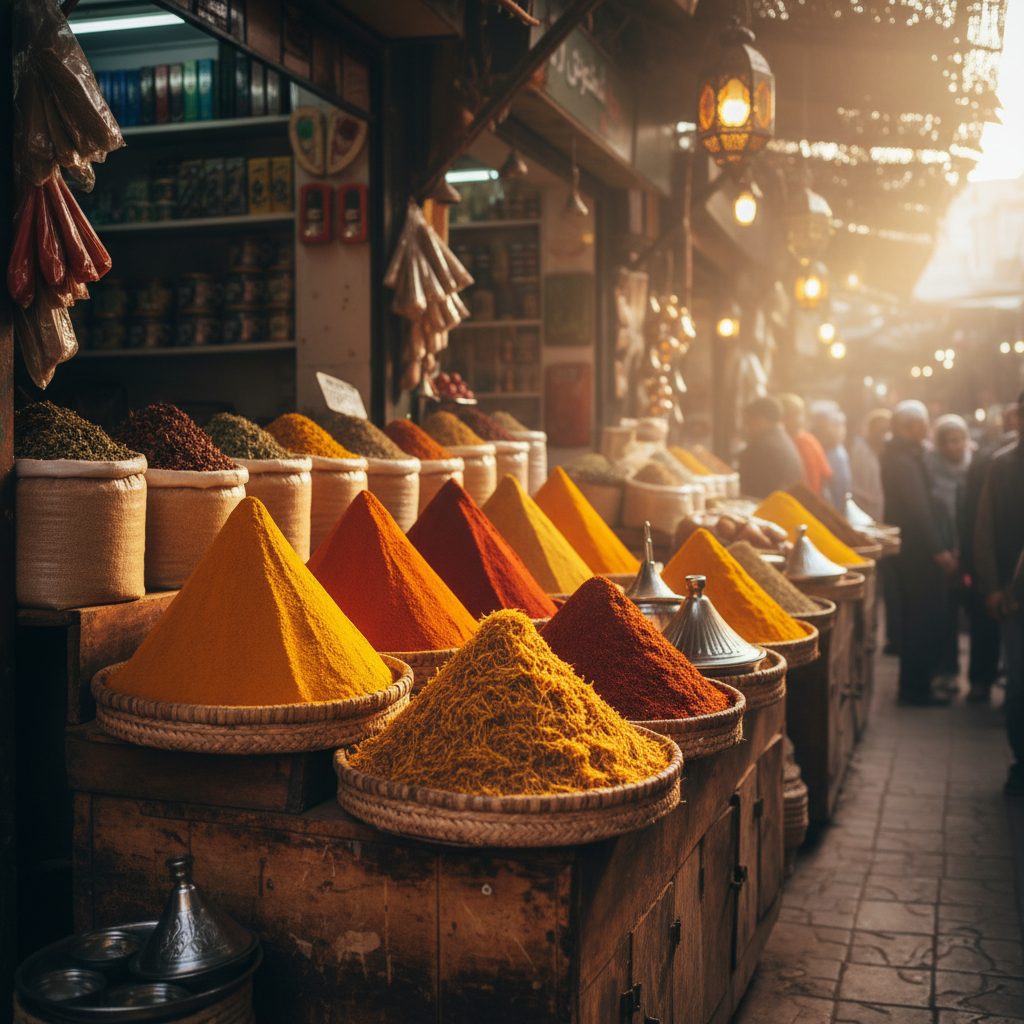
The Medina of Marrakech is the largest and most famous, centered around the iconic Jemaa el-Fnaa square. This isn't your typical marketplace—it's a theater of culture where snake charmers, storytellers, acrobats, and musicians perform while food vendors prepare harira soup and grilled meats. The medina extends in all directions from this central square, with the souks organized by product: metalwork in one section, leather in another, spices in yet another. First-timers often find Marrakech's medina the most accessible, with more English speakers and tourist infrastructure, but this also means more aggressive vendors.
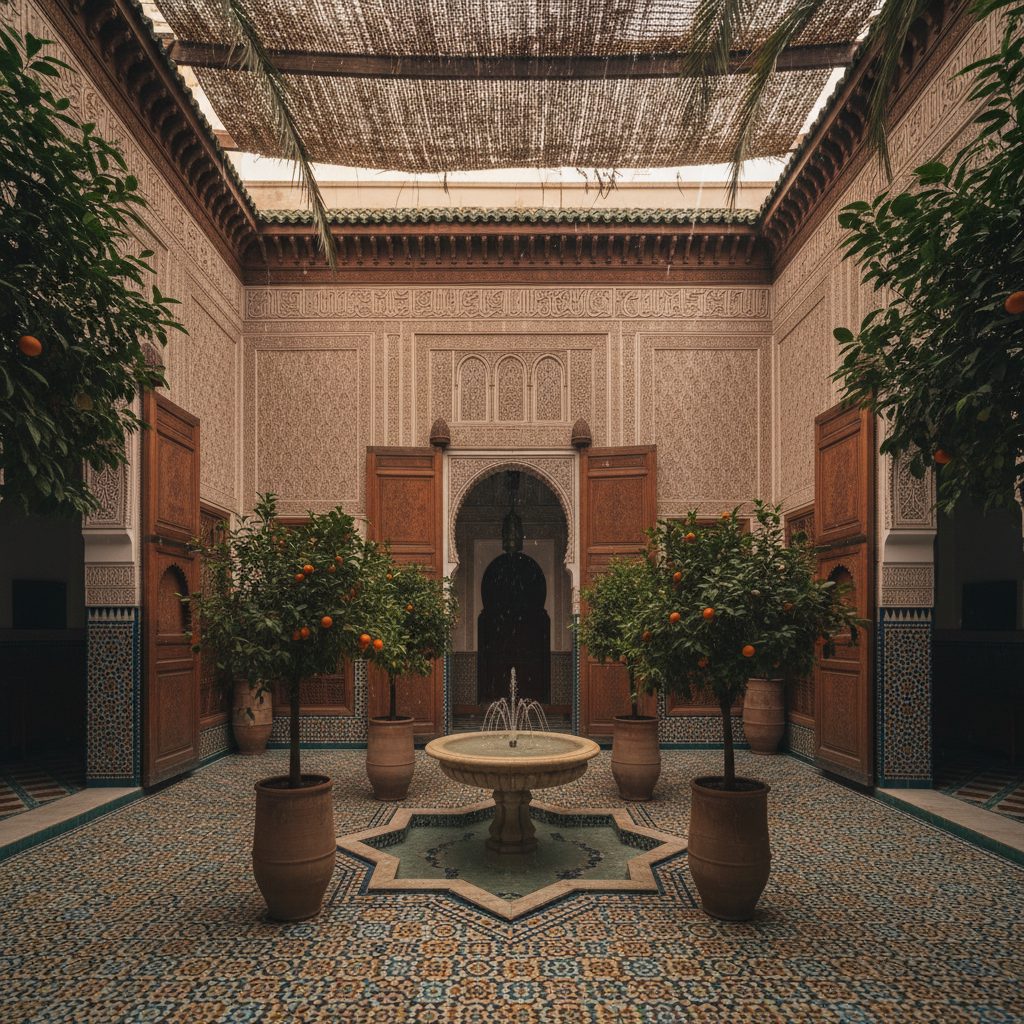
The medina encompasses several historic landmarks within its walls, including the stunning Bahia Palace and the tranquil Ben Youssef Mosque. The winding streets hide countless riads—traditional houses built around central courtyards—many now converted into guesthouses offering a peaceful retreat from the medina's chaos.
Fez's Medina: The UNESCO World Heritage Maze
If Marrakech is the loud, extroverted medina, Fez is the contemplative scholar. The Medina of Fez is the world's largest car-free urban area and has been designated a UNESCO World Heritage Site. With over 9,000 narrow alleyways and 2,000 shops, it's authentically Moroccan—fewer tourists penetrate its depths, and vendors are more genuinely friendly. The medina is divided into two main quarters: Fez el-Bali (the Old Medina) and Fez el-Jdid (the New Medina, built in the 14th century). Getting lost here is practically guaranteed, but it's also the point—you'll discover hidden mosques, ancient hammams, and family-run shops untouched by tourism.
"The medinas of Morocco aren't destinations to be conquered and checked off a list. They're experiences to be absorbed slowly, with patience and curiosity."
Chefchaouen: The Blue City's Intimate Souk
Perched in the Rif Mountains, Chefchaouen's medina is dramatically different—famous for its buildings painted in shades of blue. The medina here is smaller and more manageable than Marrakech or Fez, making it perfect for first-timers nervous about getting lost. The main square, Plaza Uta el-Hammam, is the heart, surrounded by cafés, restaurants, and the beginning of the souks. Despite its Instagram fame, Chefchaouen's medina retains authenticity, and you'll find genuine local life alongside tourist shops.
Essaouira's Medina: Coastal Charm
Essaouira's medina hugs the Atlantic coast, offering a different flavor from inland counterparts. This medina is smaller, less overwhelming, and heavily influences by coastal culture. The smell of fresh fish mingles with spice merchants, and the atmospheric medina walls overlook the ocean. It's an excellent introduction to Moroccan medinas for those seeking something less chaotic than Marrakech.
Navigation Strategies: Practical Tips for Not Getting Lost
The truth is, you will get lost in Moroccan medinas—and that's okay. However, there are strategies to manage it and even turn it into an adventure.
Use Technology Wisely
Download offline maps on Google Maps before entering the medina. Even without data, your location will show, allowing you to reorient yourself. However, rely on technology too much and you'll miss the experience. Use it as a safety net, not a constant guide.
Pick a Landmark
Identify a major landmark—a mosque, gate, or prominent building—and use it as your anchor point. Most medinas are walkable end-to-end within 20-30 minutes, so even if you venture deep into side streets, you're never truly far from orientation.
Go with Intention, Not a Rigid Plan
Instead of following a detailed checklist, choose a general direction and theme—"I'll explore the metalwork souks today" or "I'll walk toward the northern gate." This gives structure while allowing spontaneity. Some of the best discoveries happen when you don't have a predetermined route.
Ask for Directions Frequently
Moroccans are generally helpful. Ask "Labas?" (how are you?) before asking directions, showing respect. Locals appreciate politeness and often enjoy helping travelers. However, be aware that shop owners might direct you to their own establishments, so ask multiple people for confirmation.
The Art of the Haggle: Negotiation Etiquette
Haggling is expected in Moroccan souks, but it's not about defeating the vendor—it's a social dance, a way of building relationship. Understanding this nuance transforms haggling from stressful to enjoyable.
The Haggling Protocol
First, realize that the initial price is rarely the real price. A vendor might ask 500 dirhams for a carpet they'd accept 250 for. Start by showing genuine interest—pick up items, examine them, comment on quality. This isn't insincere; it's part of the ritual. Then offer 40-50% of the asking price. Expect back-and-forth. Most importantly, both parties should laugh. If it becomes tense or uncomfortable, you're doing it wrong.
When NOT to Haggle
Some vendors (especially in more established tourist shops) have fixed prices. These are usually clearly marked or mentioned. Haggling fixed prices is offensive. Similarly, in restaurants and cafés, prices are set—never attempt to negotiate food costs.
The Cultural Context
For vendors, haggling is income. A carpet-seller might support a family of six from their sales. They're not trying to rip you off; they're making a living. Approach haggling with respect and fairness, not as a game to "win." Pay what something is worth to you, but also what's fair to the vendor. Often, the best deals come when both parties feel satisfied.
Cultural Etiquette: Showing Respect in Sacred and Social Spaces
Morocco is a Muslim country with deep-rooted traditions. Respecting these is not just polite—it's essential for your safety and the quality of your experience.
Dress Code
Women should cover shoulders and knees. Loose-fitting clothing is preferable to tight clothing. In conservative medinas like Fez, stricter standards apply. Men should wear shirts and long pants or shorts that go below the knee. Wearing modest clothing shows respect and actually reduces unwanted attention.
Ramadan Considerations
If visiting during Ramadan (the ninth month of the Islamic calendar), understand that many restaurants and shops close during daylight hours. Eating, drinking, or smoking in public during fasting hours is considered extremely disrespectful. Restaurants that serve tourists during Ramadan are usually signed. Many medinas feel different during Ramadan—quieter, more contemplative, but also more authentically spiritual. Plan your visit accordingly.
Photography Etiquette
Always ask before photographing people. Say "Kaynin?" (May I?). Some will ask for money; others will happily pose. Never photograph women without explicit permission, and never photograph inside mosques. Photography in some souks is restricted—watch for signs and respect them. Even where permitted, be discreet.
Language and Greetings
Learning basic Arabic or French phrases dramatically improves your experience. "Salam alaikum" (peace be upon you) and "Labas?" (how are you?) open doors. "Shukran" (thank you) and "Afak" (excuse me) go a long way. Moroccans appreciate any effort to speak their language, even if you revert to English afterward.
Finding the Best Riads: Where to Sleep in the Medina
Sleeping inside the medina immerses you in the culture. Traditional riads—houses built around central courtyards with rooms facing inward—offer comfort, privacy, and authentic atmosphere.
What Makes a Good Riad
Quality riads have been carefully restored, maintaining original architecture while adding modern amenities. Look for riads with good online reviews, particularly regarding cleanliness and hospitality. Check that rooftop terraces have comfortable seating—you'll want to spend evenings there. Some riads serve traditional breakfasts in the courtyard, which is worth experiencing at least once.
Price Considerations
Riads range from budget ($30-50 per night) to luxury ($150+). Mid-range options ($60-100) often offer the best value, combining comfort with authentic experience. Booking directly with the riad rather than through major platforms sometimes yields better prices and personal service.
Hammams and Spa Experiences
No medina experience is complete without a hammam (traditional bathhouse). This isn't just about cleanliness—it's a social ritual integral to Moroccan culture.
Your First Hammam Experience
Women and men have separate sections, with designated times for each gender. Bring a bathing suit or underwear, a towel, and a loofah. You'll enter a series of increasingly hot rooms. A hammam attendant will scrub your skin with a rough mitt, removing dead skin. It feels intense initially but is perfectly normal and rejuvenating. Tip the attendant 20-50 dirhams ($2-5). Afterward, you'll feel unbelievably refreshed.
Types of Hammams
Traditional public hammams (used by locals) are cheapest ($1-2) but may be crowded and less comfortable. Tourist-oriented hammams in riads are more comfortable but pricier ($15-30). Mid-range independent hammams offer good balance. Most riads can arrange hammam visits or have facilities on-site.
Food Adventures in the Medina
The medina is a gastronomic playground. From street food to sit-down restaurants, medina food is authentic, delicious, and affordable.
Must-Try Medina Foods
Harira (chickpea and tomato soup) sold from street stalls during breakfast and Ramadan is warming and delicious. Pastilla (phyllo pastry filled with spiced meat, almonds, and honey) is sweet, savory, and addictive. Tagine (slow-cooked stew named for its conical pottery vessel) comes in hundreds of variations. Fresh seafood near Essaouira is exceptional. Mint tea and almond cakes are everywhere, and rightfully so—they're perfect.
Street Food Safety
Eating street food is generally safe, especially food prepared in front of you. Choose vendors with high turnover—busy stalls have fresher food. Avoid raw vegetables unless you're confident in water quality. Start with mild spice levels; Moroccan cuisine can be quite spiced.
Restaurant Recommendations
Seek out restaurants with rooftop terraces for sunset views. Many medina restaurants offer set menus at fixed prices, perfect for travelers. Ask your riad for recommendations—locals know the best hidden spots. Eating dinner late (after 8 PM) is normal in Morocco.
Shopping: What to Buy and Where
Moroccan souks offer incredible craftsmanship. Carpets, leather goods, spices, metalwork, ceramics, and jewelry are all exceptional values compared to Western prices.
Best Purchases
Moroccan carpets are world-renowned, but expensive and heavy—only buy if you're confident about transport. Leather babouches (slippers) are beautiful and affordable. Spices (saffron, cumin, cinnamon) are cheap and valuable. Metal lanterns and trays are gorgeous but require careful packing. Pottery and ceramics offer good value. Argan oil (if genuine) is excellent for skin and hair.
Avoiding Tourist Traps
Avoid "original" items clearly mass-produced. Be skeptical of "ancient" artifacts—most aren't. "Handmade" goods are sometimes factory-made. Buy from established vendors with good reputations. Compare prices across multiple shops before making large purchases. If something seems too cheap, it probably is.
Safety Tips and Practical Considerations
Morocco is generally safe for travelers, but medinas present unique challenges worth preparing for.
Personal Safety
Pickpocketing can occur in crowded souks. Keep valuables secure—use money belts or small cross-body bags rather than backpacks. Avoid wearing expensive jewelry or watches. Don't carry your passport; leave it in your riad safe. Traveling in groups is safer, especially for solo female travelers. Trust your instincts—if something feels off, it probably is.
Unwanted Attention
Some vendors aggressively pursue sales, especially in Marrakech. A firm but polite "Shukran la" (no thank you) usually works. Ignore hisses and calls; they'll stop when they realize you're serious. Don't make eye contact with aggressive vendors. Some visitors report unwanted romantic attention or hustling—maintain awareness and disengage immediately if uncomfortable.
Health Considerations
Drink bottled water, not tap water. Giardia and other waterborne illnesses can strike. Wash your hands before eating. The medina can be hot and crowded; stay hydrated and take breaks in shaded cafés. Apply sunscreen liberally. Bring basic medications for stomach upset.
Timing Your Medina Visit
When you visit significantly impacts your experience. Early mornings (6-8 AM) show the medina at its most authentic, with locals buying groceries and setting up shops. This is when you'll see real medina life, before tourists arrive. Mid-morning through early afternoon gets progressively busier. Late afternoon (4-6 PM) sees a lull before evening crowds. Evenings are atmospheric with narrower streets glowing from shop lights. Plan major exploring for early morning, with relaxed café time during peak heat hours.
Conclusion: Embracing the Medina Experience
Morocco's medinas aren't just tourist attractions—they're living repositories of Moroccan culture, history, and daily life. Yes, you'll get lost. Yes, some vendors will pressure you. Yes, the chaos can feel overwhelming. But these experiences are precisely what make medinas magical. Approach them with patience, respect, and curiosity, and they'll reveal layers of beauty that no guidebook can capture. The narrow streets that confuse you on Day One become familiar routes on Day Three. The vendors who seemed aggressive reveal themselves as genuinely hospitable people making a living. The medina transforms from overwhelming maze to beloved neighborhood.
Go slowly. Drink mint tea. Talk to locals. Eat street food. Get lost deliberately. These moments—sitting on a medina rooftop as the sun sets, hearing the call to prayer echo through ancient stone, discovering a hidden riad tucked behind unmarked doors—are what travelers remember forever.
"Travel isn't about ticking off destinations. It's about becoming briefly part of someone else's world and emerging changed."