Kyoto, Japan's ancient imperial capital, is home to over 2,000 temples and shrines that stand as monuments to centuries of spiritual and cultural heritage. For travelers seeking to understand the soul of Japan, exploring Kyoto's temples is an essential pilgrimage. This comprehensive guide will help you navigate the city's most iconic and historically significant temples, providing practical advice for making the most of your visit.
The temples of Kyoto represent various Buddhist schools and architectural styles developed over more than 1,200 years. Each temple tells its own story, reflecting the evolution of Japanese Buddhism and the artistic traditions that flourished under imperial patronage. Whether you're a history enthusiast, a photography lover, or simply someone seeking peaceful moments of contemplation, Kyoto's temples offer experiences that will stay with you long after you've left.
Kinkaku-ji: The Golden Pavilion
Kinkaku-ji, officially known as Rokuon-ji, is perhaps Kyoto's most iconic temple. The Golden Pavilion, covered in gold leaf, creates a breathtaking sight when it reflects in the surrounding pond. Originally built in 1397 as a retirement villa for Shogun Ashikaga Yoshimitsu, it was converted into a temple after his death. The structure represents the pinnacle of Muromachi period aesthetics.
The temple consists of three stories, each representing a different architectural style: the ground floor reflects the shinden style of nobility, the second floor features samurai architecture, and the third floor exemplifies Zen temple design. The garden surrounding the pavilion is meticulously maintained and represents a masterpiece of Japanese landscape design.
Pro Tip: Best Photography Times
Arrive early in the morning (before 9 AM) to capture Kinkaku-ji with fewer crowds and soft golden light. Late afternoon visits around 4-5 PM also offer stunning lighting conditions. Avoid midday hours when the temple is packed with tour groups and harsh sunlight creates unflattering shadows.
Visiting Information
- Hours: 9:00 AM - 5:00 PM daily
- Entry Fee: ¥400 ($3 USD)
- Duration: 45 minutes to 1 hour
- Access: 10-minute walk from Kinkakuji-michi bus stop
Fushimi Inari Shrine: Gates of Mystique
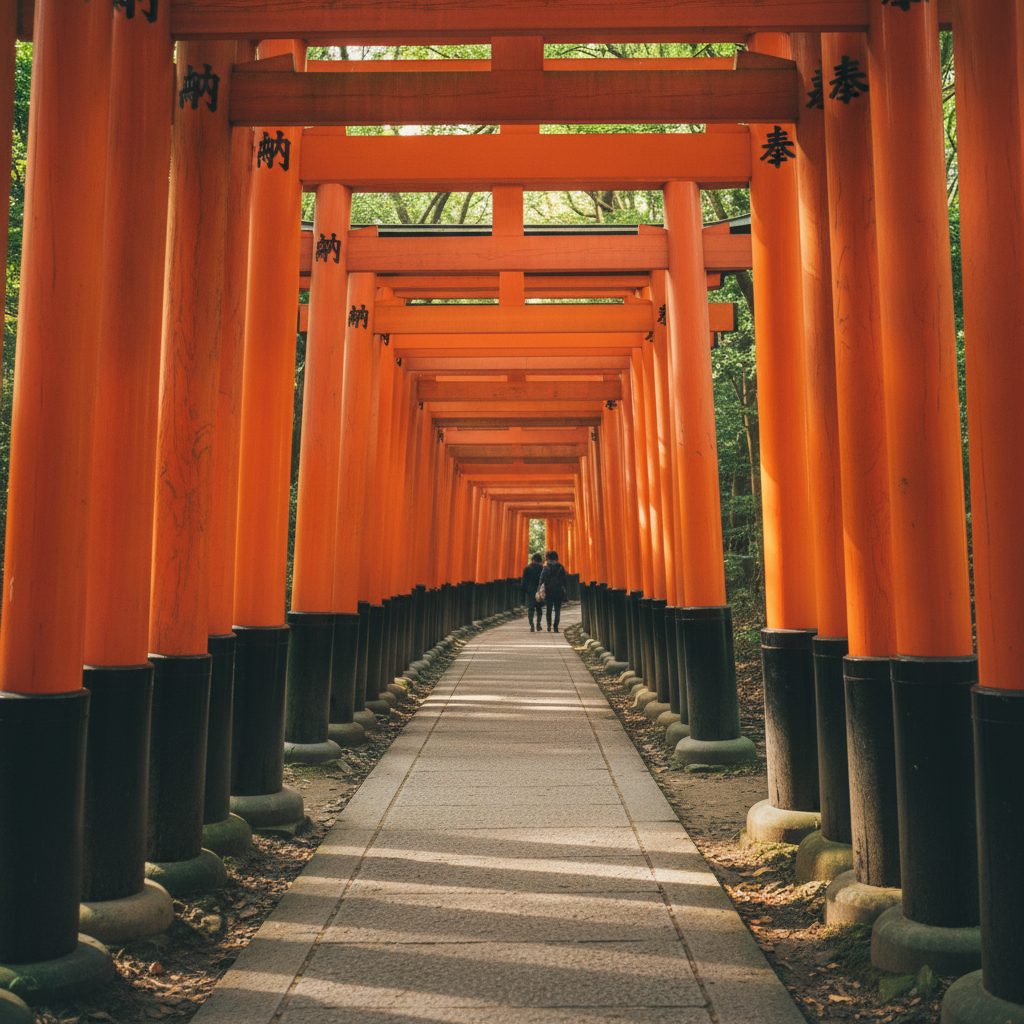
The thousands of vermillion torii gates that wind through the mountainside at Fushimi Inari Shrine create an otherworldly atmosphere. Located at the foot of Inari Mountain in southern Kyoto, this shrine dedicated to Inari, the kami (spirit) of rice and prosperity, attracts millions of visitors annually.
The shrine dates back to 711 and is the oldest of all Inari shrines in Japan. The tradition of donating torii gates began in the mid-Edo period, and merchants would contribute gates as prayers for successful business ventures. Today, the continuous sea of red gates creates a surreal landscape that seems to transport visitors to another realm.
Unlike most other famous Kyoto sites, Fushimi Inari is open 24 hours and is free to enter. The main shrine area is relatively crowded, but if you hike further up the mountain, you'll find peaceful trails with fewer visitors. The hike takes approximately 2-3 hours for the full circuit, though you can explore just the lower sections in 30-45 minutes.
"Walking through thousands of torii gates feels like passing through different worlds. Each gate represents someone's prayer and hope, making the entire experience profoundly spiritual." - Traveler testimonial
Etiquette Reminder
Fushimi Inari is an active shrine with a strong spiritual significance. Remember to bow before passing through torii gates, and if you see other worshippers performing rituals, maintain a respectful distance. Photography is generally permitted, but be mindful of people praying.
Visiting Information
- Hours: Open 24/7
- Entry Fee: Free
- Duration: 45 minutes to 3 hours depending on hiking distance
- Access: 5-minute walk from Fushimi Inari Station (JR Nara Line)
Kiyomizu-dera: The Pure Water Temple
Perched on a hillside overlooking Kyoto, Kiyomizu-dera has been a pilgrimage destination since its founding in 778. The temple's name, meaning "pure water," comes from the Otowa waterfall within the temple grounds. UNESCO World Heritage Site Kiyomizu-dera represents an outstanding example of traditional Japanese temple architecture and has been the subject of countless paintings and poems.
The temple's most distinctive feature is its main hall, which sits on a wooden platform jutting out from the hillside with no supporting pillars below. The construction technique, which doesn't use any nails, is a marvel of Edo period engineering. The panoramic views of Kyoto from the platform are spectacular, making it an essential stop for visitors.
According to tradition, those who drink from all three streams of the Otowa waterfall—representing longevity, success in studies, and love—will have their wishes granted. You'll often see visitors queuing to taste the water from cups provided at the site.
Visiting Information
- Hours: 1:00 AM - 6:00 PM (extended to 9:00 PM during peak seasons)
- Entry Fee: ¥600 ($5 USD)
- Duration: 1 to 1.5 hours
- Access: 20-minute walk or short bus ride to Kiyomizu Gojo Station, then 10-minute walk uphill
Ryoan-ji: Zen Perfection
Ryoan-ji is world-renowned for its rock garden, one of the finest examples of karesansui (dry landscape) design in Japan. The rectangular garden contains fifteen stones of various sizes arranged on white gravel, surrounded by a clay wall and moss-covered ground. The garden, created in the 15th century, continues to captivate visitors seeking to understand Zen Buddhism's philosophical principles.
The true meaning of the rock garden remains a mystery. Scholars have proposed numerous interpretations—from a representation of a tiger family crossing water to an abstract expression of Buddhist cosmology. Part of Ryoan-ji's magic lies in this ambiguity, encouraging visitors to form their own understanding of what they're seeing.
Unlike more ornate temples, Ryoan-ji embodies Zen principles of simplicity and minimalism. The temple surrounds a peaceful pond and features several walking trails through gardens and natural areas. Many visitors find Ryoan-ji to be the most meditative of Kyoto's temples.
Finding Serenity
To fully appreciate the rock garden's subtlety, spend at least 20-30 minutes sitting and observing. Visit on weekday mornings if possible, as the garden becomes crowded with tour groups in the afternoons. The changing light throughout the day reveals different aspects of the garden's composition.
Visiting Information
- Hours: 8:00 AM - 5:00 PM (December to February closes at 4:30 PM)
- Entry Fee: ¥600 ($5 USD)
- Duration: 1 to 1.5 hours
- Access: 10-minute walk from Ryoanji Station (Randen Tram Line)
Tofuku-ji: Autumn Splendor
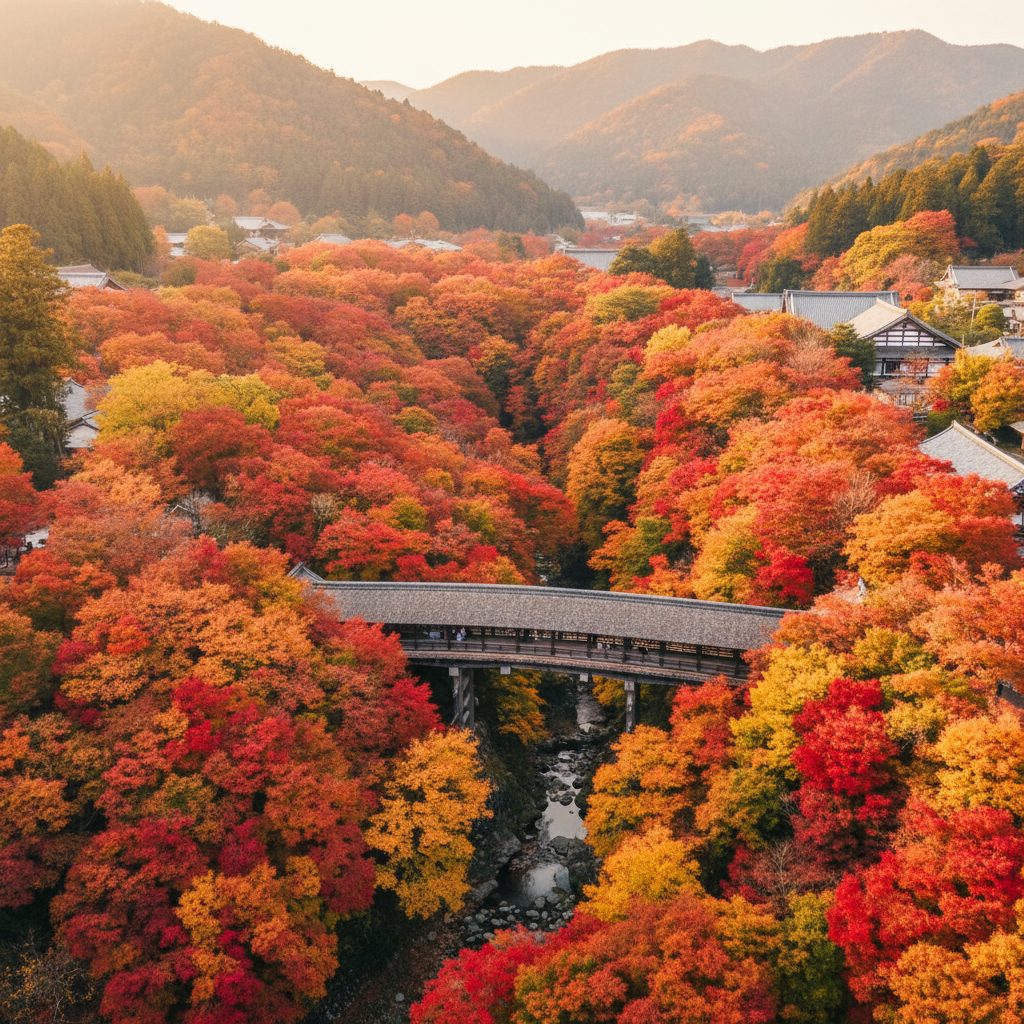
Tofuku-ji deserves special mention for its spectacular fall foliage. In autumn, the maple trees surrounding the temple's famous Tsutenkyo bridge turn brilliant shades of red and orange, creating a scene of breathtaking beauty. The temple, founded in 1236, is one of Kyoto's five great temples and is particularly renowned among Zen Buddhism scholars.
The temple complex is expansive, featuring numerous buildings, gardens, and walking paths. The main hall houses an impressive wooden image of Shaka Nyorai (Buddha), and the grounds include a beautiful contemplative garden. The 173-meter-long Tsutenkyo bridge offers stunning views over the forested ravine below.
While spring is pleasant, late October through early November is undoubtedly the best time to visit Tofuku-ji. However, be prepared for crowds during peak foliage season—arrive very early (before 8 AM) or visit on weekdays to avoid the masses.
Visiting Information
- Hours: 8:30 AM - 4:00 PM (4:00 PM to 5:00 PM November for night viewing)
- Entry Fee: ¥600 ($5 USD)
- Duration: 1.5 to 2 hours
- Access: 10-minute walk from Tofukuji Station (JR Nara Line)
Best Times to Visit
Each season offers distinct advantages for temple visiting in Kyoto:
Spring (March-May)
Cherry blossoms bloom around late March to early April, transforming temple grounds into floral wonderlands. The mild weather is ideal for walking and exploring. However, expect crowds and higher accommodation prices.
Summer (June-August)
Summer sees fewer tourists but brings heat and humidity. Many temples offer early morning visiting hours. Yukata-clad visitors during summer festivals add a cultural dimension to temple visits.
Autumn (September-November)
Fall foliage peaks in November, creating spectacular landscapes. The weather is comfortable, and the visual beauty is unmatched. This is peak tourist season, so book accommodation well in advance.
Winter (December-February)
Winter offers the fewest crowds and lowest prices. While temperatures can drop below freezing, clear skies provide excellent photography conditions. Some temples look especially serene under light snow.
Getting Around Kyoto's Temples
Kyoto has excellent public transportation. The subway, buses, and tram lines connect major temples efficiently. Consider purchasing a Kyoto Bus One-Day Pass (¥900) if visiting multiple temples in a single day. Many visitors also rent bicycles, which are an excellent way to explore at a slower pace and discover hidden temples.
Japan Rail Pass holders can use JR trains to reach outlying temples. Walking between adjacent temples is often feasible and allows for discovering smaller, less-visited shrines along the way.
Temple Etiquette
When visiting temples, remember these important customs:
- Remove shoes when entering temple buildings
- Bow before passing through torii gates
- Be quiet and respectful of other visitors and worshippers
- Ask permission before photographing if monks or nuns are conducting ceremonies
- Don't point at religious objects or images
- Make a small donation if a donation box is provided, but this is optional
Kyoto's temples represent the accumulated spiritual heritage of over a thousand years. Each temple, whether grand and famous or small and secluded, offers insights into Japanese aesthetics, philosophy, and religious traditions. Whether you spend a week exploring temples or just a few days, you'll return home enriched by encounters with these extraordinary places of beauty and spiritual significance.
"The temples of Kyoto aren't just architectural achievements; they're windows into the Japanese soul, reflecting centuries of artistic refinement, spiritual devotion, and philosophical contemplation."