Japan's rail network is legendary—efficient, clean, punctual, and comprehensively covering the entire nation. For travelers planning to explore beyond Tokyo, the Japan Rail Pass (JR Pass) is a game-changing investment. This pass provides unlimited travel on most JR trains nationwide, potentially saving hundreds of dollars and dramatically simplifying travel logistics. However, the JR Pass isn't universally the best choice for every traveler. This comprehensive guide covers everything: how the JR Pass works, who should buy it, where to purchase, route planning, and insider tips to maximize value.
Understanding the Japan Rail Pass: What It Covers
The Japan Rail Pass provides unlimited travel on most Japan Railways Group (JR) trains throughout Japan for a specified duration. This includes the famous shinkansen (bullet trains), local JR trains, JR buses, and the JR East Pass covering northeastern Honshu.
What's Included
The JR Pass covers most train types operated by JR companies: local trains (regular commuter trains), limited express trains, express trains, and most importantly, the Tokaido, Sanyo, and Tohoku shinkansen bullet trains. These represent the backbone of intercity travel. The pass also includes JR buses and JR ferry to some destinations. However—and this is critical—the pass does NOT cover private railways, subways (except JR lines that include subway sections), or non-JR operators. Tokyo's famous rail system is a mix of JR (covered) and private railway lines (not covered, but inexpensive).
Excluded Train Lines
Non-JR railways operate significant portions of Japan's network. The Kintetsu Line (major line from Osaka to Nara and beyond), Keihan Line (Kyoto-Osaka), Odakyu Line (Tokyo's western routes), and many others aren't covered by JR Pass. Private railways are often cheaper for specific routes, but frequent inter-line travel benefits from the JR Pass overall.
Pass Duration Options
The JR Pass comes in 7-day, 14-day, and 21-day durations. Calculate your anticipated train costs against pass prices—if actual ticket costs exceed the pass price, the pass offers value. For typical 2-week Japan itineraries covering Tokyo-Kyoto-Hiroshima-Osaka, the 7-day or 14-day pass provides excellent value.
"The Japan Rail Pass represents tremendous value for the right traveler—but only if you use it strategically to eliminate the need to purchase expensive individual tickets."
Cost-Benefit Analysis: Is a JR Pass Worth It for You?
JR Pass pricing varies by class and duration. First class (Green Car) costs roughly 30% more than standard class. A 7-day standard pass (2026 pricing) costs approximately $280 USD for foreign tourists. A 14-day pass costs around $350, and 21-day costs approximately $450. These are official JR prices; exchange rates affect final costs in different currencies.
Calculating Ticket Costs
A single Tokaido shinkansen ticket from Tokyo to Kyoto (about 2 hours) costs roughly $120. Tokyo to Hiroshima (direct) costs approximately $160. A single bullet train trip from Tokyo to Osaka and back nearly equals a 7-day pass price. If your itinerary includes multiple shinkansen journeys, the pass likely pays for itself. Research your planned routes and calculate individual ticket costs before deciding.
Beyond Cost: Convenience Factor
Beyond pure economics, the JR Pass eliminates the need to purchase individual tickets before each journey. No researching ticket prices, no standing in ticket queues, no figuring out which railway operator to use. With pass in hand, you can decide travel plans more spontaneously. This convenience has genuine value beyond pure cost analysis.
Who Should Buy?
Travelers planning to stay in Japan 2+ weeks with multiple intercity journeys benefit most. Travelers limited to Tokyo or Tokyo-Kyoto-Osaka roundtrips might save money with individual tickets or regional passes. Budget backpackers might find JR Pass expensive compared to cheap local trains and buses. Business travelers often prefer individual tickets for expense reporting clarity. Mid-range tourists planning typical 2-week itineraries almost always benefit from a JR Pass.
How to Purchase a JR Pass: Timing and Location
Here's a crucial detail: JR Pass is available only to tourists on temporary visitor status. Japanese residents cannot buy JR Pass. Additionally, you must purchase an exchange voucher outside Japan, then exchange it for an actual pass inside Japan.
Purchase Process
Buy your exchange voucher from authorized vendors before traveling to Japan. Major travel agencies in home countries sell vouchers (travel agencies, airport ticket offices, online retailers). Online purchase is popular—you order the voucher, receive it by mail, then exchange in Japan. Exchange offices exist at major airports (Narita, Haneda, Kansai), train stations, and some hotels. Exchange must happen after arrival in Japan but before first use. Most travelers exchange at airports upon arrival, though exchange offices throughout Japan serve late arrivals.
Exchange Timing Strategy
Critical consideration: when you exchange voucher for active pass matters significantly. The pass is valid for a consecutive number of days—once activated, the countdown begins. If you arrive in Japan but don't plan major intercity travel immediately, wait to exchange. Activate the pass when you're ready to make that expensive Tokyo-Kyoto shinkansen trip. Some travelers arrive, spend several days in Tokyo using local transportation, then activate JR Pass days before traveling beyond Tokyo. This maximizes pass value.
Where to Exchange
Haneda and Narita airports in Tokyo offer 24-hour JR Pass exchange services, making this the most convenient option for most travelers. Kansai Airport (serving Osaka-Kyoto) also offers exchange. Train stations in major cities have JR Pass exchange offices. Some larger hotels assist with exchange. Arriving at major airports—especially Tokyo—during operating hours means quick, simple exchange.
Route Planning: Building Your Japan Itinerary
Successful JR Pass use requires smart route planning. Think about geographic flow to minimize backtracking and unnecessary travel.
Classic East Route: Tokyo-Kyoto-Osaka-Hiroshima
This is the most popular multi-week Japan itinerary and ideally suited to JR Pass. Day 1-4 in Tokyo, taking local trains and subways (JR Pass not essential but useful here). Day 5-6 take Tokaido shinkansen to Kyoto, explore 2-3 days. Day 7-8 short train to Osaka, experience 2 days. Day 9 take Sanyo shinkansen to Hiroshima, spend 2 days including Miyajima day trip. Day 11-12 either return to Tokyo via shinkansen or fly home from Hiroshima. This itinerary makes perfect geographic sense and each shinkansen journey is substantial enough to provide value.
Hokkaido Loop: Tokyo-Hokkaido-Return
More adventurous itineraries include Hokkaido, Japan's northern island. Fly from Tokyo to Sapporo (Hokkaido's main city), then use JR Pass for trains within Hokkaido and return to Tokyo later. Hokkaido offers skiing, outdoor hiking, and distinct culture. JR Pass covers Hokkaido's extensive rail network, making this journey feasible.
Tohoku Loop: Remote Northern Japan
The Tohoku region (northeastern Honshu) offers temples, hot springs, and coastal beauty with fewer crowds than classic routes. The Tohoku shinkansen connects these areas, and JR Pass covers it. Snowfall (winter) and green (spring) make different seasons attractive. This route is less touristy than standard itineraries.
Circular Routes and Minimizing Backtracking
Plan routes flowing in one direction rather than up-and-back. Tokyo-Osaka-Hiroshima-return works well geographically. Tokyo-Kyoto-Osaka-back-to-Tokyo requires backtracking. While shinkansen is fast enough to make some backtracking acceptable, minimizing it saves time and pass value.
Reserved vs. Unreserved Seating: Maximizing Comfort
JR Pass covers both reserved and unreserved seats on most trains. Understanding the difference and using reserved seats strategically ensures comfort.
Unreserved Seating
Unreserved sections are first-come, first-served. Any seat without a reservation card is available. On less-busy routes or times, unreserved means empty seats and space. On peak times (Golden Week, New Year, summer vacation), unreserved sections are packed—standing room only common. Unreserved is perfectly acceptable for short journeys; the entire process is seamless with JR Pass.
Reserved Seating
Reserved seating guarantees a specific numbered seat. Visiting a JR ticket office, you can reserve seats for upcoming journeys—English-speaking staff assist non-Japanese speakers. Reservations are free with JR Pass. Reserve seats for longer journeys (Tokyo-Kyoto, Tokyo-Hiroshima) to guarantee comfortable seating. Don't bother reserving short journeys; unreserved is fine.
Peak Travel Times to Avoid or Plan Around
Japan's peak travel seasons—New Year (late December-early January), Golden Week (late April-early May), and summer vacation (August)—mean packed trains and crowded stations. If possible, avoid these times. If traveling during these periods, reserve seats in advance and travel on off-peak times (early morning, midweek) when possible.
Using the JR Pass: Practical Daily Application
Once you have your JR Pass, using it is straightforward—but some tips optimize the experience.
Entry to Stations and Stations
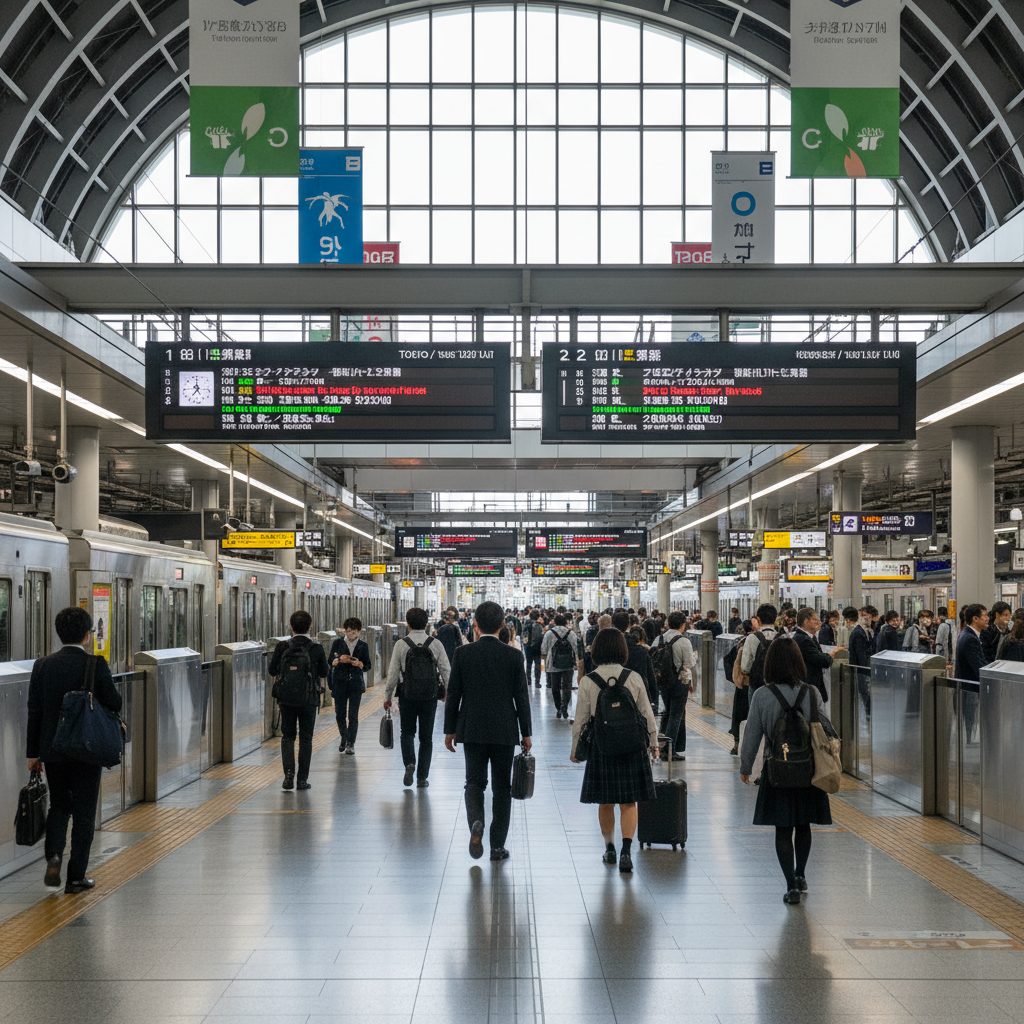
At JR station ticket gates, show your JR Pass instead of a ticket. Station staff scan the pass, the gate opens, and you proceed. This is infinitely convenient compared to fumbling with individual tickets. At shinkansen platforms (which are separate from regular trains), show your pass and any reservation card.
Navigating Japan's Complex Stations
Major stations (Tokyo, Kyoto, Osaka) are vast and complex with multiple tracks, shopping areas, and exits. Arrive early to navigate without rushing. Ask staff for directions to specific platforms. Information desks provide assistance in English. Despite complexity, these stations are well-signed; you'll figure it out.
Apps and Digital Tools
Google Maps transit directions work well in Japan, showing train options, times, and platforms. Hyperdia and Jorudan apps provide detailed train schedules and planning. Download these before arrival. They're invaluable for trip planning and real-time navigation.
Regional JR Pass Alternatives: When They Make Sense
For travelers planning limited intercity travel, regional passes offer better value than nationwide JR Pass.
JR East Pass (Tohoku and Hokkaido)
Covers northeastern Honshu and Hokkaido for 5 or 10 days. Excellent for dedicated Hokkaido or Tohoku trips but limited if you're also exploring central or western Japan.
JR West Pass (Western Honshu and Shikoku)
Covers the Kansai region (Osaka, Kyoto) and beyond, including Hiroshima and Shikoku. Useful for travelers focusing on western Japan without Tokyo or Hokkaido.
JR Kyushu Pass
Covers Kyushu, Japan's southern island, excellent for travelers focusing on that region with hot springs, Nagasaki history, and Hiroshima access.
Individual Savings vs. Regional vs. National
If your trip stays within one region, a regional pass might save money. If you're traveling nationwide, JR Pass is better. If you're staying one area and taking minimal intercity travel, individual tickets beat any pass.
Train Etiquette and Culture: Being a Respectful Traveler
Japan's trains run smoothly partially due to cultural expectations around respectful behavior. Understanding and following these norms improves your experience and others'.
Quiet Cars
Certain train cars are designated "quiet cars" (usually marked with signage). In quiet cars, phone calls are prohibited, music should be silent (earbuds only), and quiet conversation is expected. Regular cars allow normal conversation and phone calls. Respect these designations.
Standing Etiquette
When trains are crowded, stand toward the back, allowing others to enter. Don't block doorways. If sitting, offer your seat to elderly passengers, pregnant women, or those with visible disabilities. This is cultural norm, not law, but deeply appreciated.
Luggage Management
Keep luggage close to you or in overhead racks. Don't let backpacks swing into other passengers. Keep luggage footprint minimal in crowded conditions. Large suitcases can be placed in luggage areas at train ends (shinkansen provides luggage racks).
Eating and Drinking
Eating is fine on trains; drinking is fine; strong-smelling foods are considered inconsiderate in some contexts. Regular trains and shinkansen sell bento boxes, drinks, and snacks—eating is part of the travel experience. Just avoid very smelly foods on crowded regular trains.
Shinkansen Specifics: Maximizing Bullet Train Journeys
The shinkansen is uniquely Japanese and worthy of specific attention. These trains are marvels of engineering—clean, punctual, comfortable, and fast.
Shinkansen Speed and Comfort
Tokaido shinkansen travels at speeds up to 320 km/h, covering Tokyo to Kyoto (475 km) in 2 hours 15 minutes. The experience is smooth, quiet, and pleasant. Standard seats are spacious by train standards, with tray tables, drink holders, and comfortable recline. You can walk between cars, visit the dining car, or rest in your seat.
Green Car (First Class) Consideration
Green Car costs 30% more than standard class but offers wider seats, better meals, quieter environment, and fewer passengers. For long journeys (4+ hours), the upgrade is worth considering for comfort. JR Pass covers Green Car for the same pass price—no extra charge—making Green Car upgrades particularly valuable with pass.
Station Snacks and Bento Boxes
Station snacks and bento boxes (traditional boxed meals) are excellent. Buy these before boarding; they're higher quality, cheaper, and more interesting than dining car options. Ekibens (station-sold bento) are regionally specialized—trying different regions' specialties is fun.
Practical Tips: Maximizing Your JR Pass Value
Final tips to ensure your JR Pass investment pays off:
Reserve Seats in Advance
Visit a JR ticket office early in your trip and reserve seats for all major journeys. This takes 15 minutes and ensures comfortable seating without additional cost.
Use Trains for Short Regional Hops
Beyond major shinkansen journeys, use your JR Pass for regional trains connecting nearby cities. Kyoto-Nara-Osaka day trips, Osaka-Kobe-Himeji loops, Hiroshima-Miyajima. These journeys are often not expensive individually but accumulate significantly.
Check Your Pass Validity Before Each Journey
Know your pass activation date and end date. I've known travelers who let passes expire before using them on a planned journey. This is pure waste. Double-check validity before each major journey.
Keep Your Passport Handy
Your JR Pass is tied to your passport. You'll need to show your passport when exchanging voucher and occasionally when showing the pass to station staff. Keep it accessible.
Conclusion: The JR Pass as a Travel Enabler
The Japan Rail Pass isn't mandatory, but for travelers planning to explore beyond Tokyo, it's transformative. It removes logistical friction, enables spontaneity, and usually saves money compared to individual tickets. It represents an investment in convenience and freedom—qualities that make travel memorable and enjoyable.
Plan your routes thoughtfully, use reserved seating for long journeys, and move through Japan's magnificent landscapes with ease. The shinkansen, carrying you across the country at 300+ km/h, becomes not just transportation but part of your travel memory—the blur of Mount Fuji from the train, the bento box lunch at 300 km/h, the seamless transition between regions. This is the Japan Rail Pass experience.
"Rail travel through Japan isn't about reaching destinations as quickly as possible. It's about experiencing the journey itself—the landscape, the culture, the sense of movement through a densely inhabited, beautifully organized country."