Iceland's Ring Road, officially known as Route 1, is one of the world's most spectacular driving routes. Circling the entire island, this 1,332-kilometer (828-mile) highway connects diverse landscapes—from glacial waterfalls and black sand beaches to volcanic terrain and Arctic tundra. A 10-day journey around the Ring Road provides an unforgettable introduction to Iceland's raw natural beauty, geological wonders, and isolated wilderness.
This comprehensive itinerary balances driving time with exploration, allowing you to experience Iceland's highlights while maintaining a realistic pace. Whether you're a nature photographer, geology enthusiast, or simply someone seeking adventure in dramatic landscapes, the Ring Road delivers transformative experiences at every turn.
Trip Essentials Before You Start
Rent a 4WD vehicle if traveling during winter (September-April) or visiting highlands. Standard cars suffice for summer travel on the Ring Road itself. Book accommodations 2-3 months in advance, especially during peak season (June-August). Bring layers of clothing—Iceland's weather changes rapidly and can be unpredictable even in summer.
Day 1: Reykjavik to Borgarnes (50 km)
Begin your Ring Road adventure in Reykjavik, Iceland's charming capital. Spend your first morning exploring the city's highlights: the striking Hallgrímskirkja church, the historic old harbor, and colorful colonial buildings. Don't miss the Harpa concert hall and the National Museum for cultural context about Iceland.
In the afternoon, head northeast toward Borgarnes, stopping at Deildartunguhver, one of Iceland's most powerful hot springs, and Krauma natural hot spring pool (newly built, offering geothermally heated bathing). The drive is short, allowing you to acclimatize to driving on the left and adjust to Iceland's pace.
Borgarnes serves as an excellent base with good accommodation options. Visit the Eiríksstaðir Settlement Museum in the evening to learn about Iceland's first Viking settlers. The town sits at the gateway to Snæfellsnes Peninsula, which many travelers explore as a side trip from Reykjavik, but you can continue your Ring Road journey from here.
Days 2-3: Golden Circle and Beyond (Borgarnes to Vik)
From Borgarnes, head east toward the famous Golden Circle route, visiting three essential Icelandic landmarks in a single day before continuing your Ring Road journey.
The Golden Circle Highlights
Þingvellir (Thingvellir) National Park: This UNESCO World Heritage site is Iceland's most historically significant location and one of its most geologically dramatic. The park straddles the Mid-Atlantic Ridge, where the North American and Eurasian tectonic plates are visibly separating. Walk between the continental plates, hike through the canyon, and see where Iceland's first parliament was established in 930 AD. Plan 2-3 hours here.
Geysir Geothermal Area: Home to Iceland's famous hot springs, this geothermal wonderland features the powerful Strokkur geyser, which erupts spectacularly every 5-10 minutes, shooting water 30-40 meters into the air. The surrounding area contains dozens of hot springs, colorful mineral deposits, and bubbling mud pools. Arrive early to beat crowds and capture the best photography lighting.
Gullfoss Waterfall: One of Iceland's most powerful waterfalls, Gullfoss plunges dramatically into a deep canyon. Fed by glacial meltwater from Langjökull glacier, the falls create an awe-inspiring sight, especially when afternoon light creates rainbows in the mist. The path allows you to descend closer to the falls, but be prepared for powerful spray.
"Standing between tectonic plates at Þingvellir, watching Strokkur erupt, and feeling the mist of Gullfoss—the Golden Circle compressed every geological wonder into a single day."
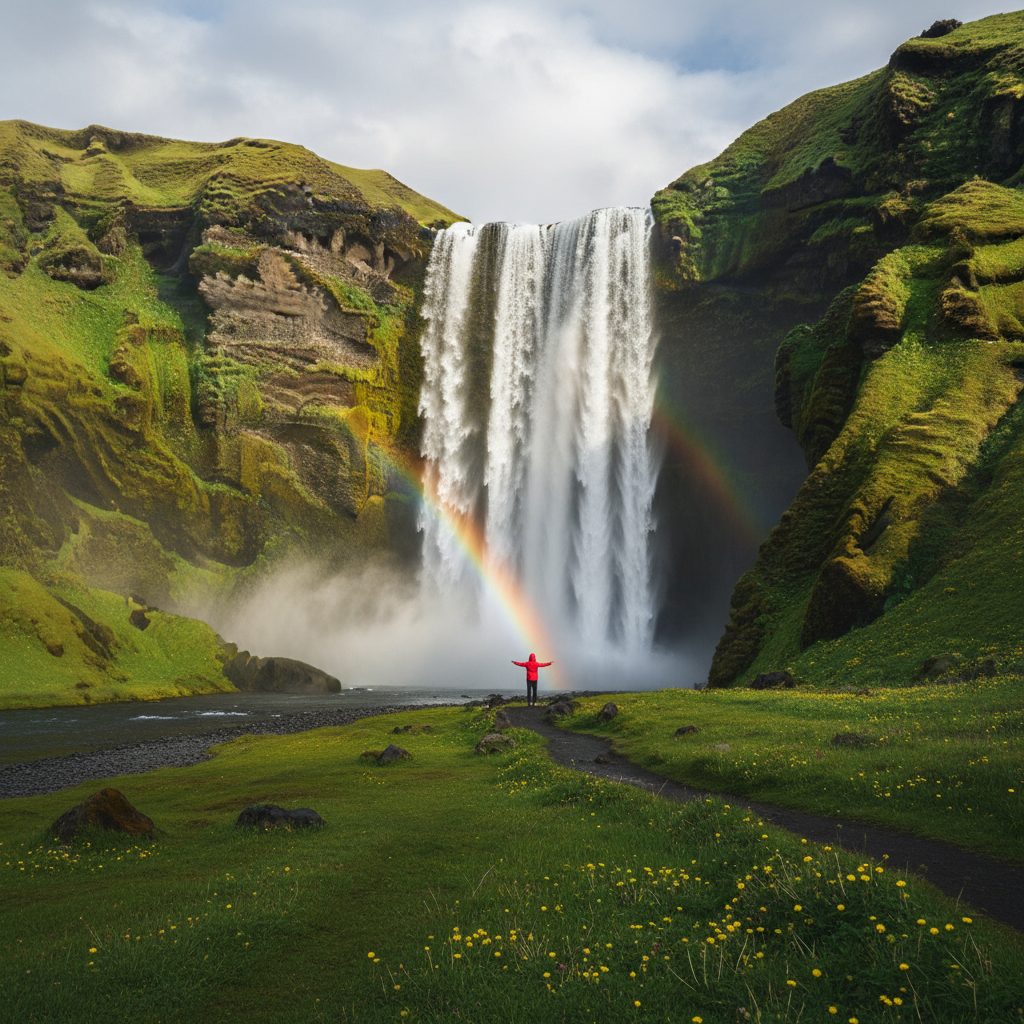
On Day 2 afternoon, continue south toward Vik, stopping at Skógafoss waterfall, famous for its 60-meter drop and powerful spray. The waterfall has historical significance as it was historically used to power mills in the valley below. Hike behind the waterfall if you're willing to get drenched—it's an unforgettable experience.
On Day 3, begin with Seljalandsfoss waterfall, unique because you can walk behind it. The waterfall drops from a clifftop and the path allows adventurous visitors to walk behind the cascade for a unique perspective. Continue to Vik, stopping at smaller waterfalls and viewpoints along the way. Vik itself offers stunning black sand beaches—Reynisfjara Beach is the most visited, famous for its basalt columns and dramatic waves.
Ocean Wave Safety at Reynisfjara
Reynisfjara's waves are deceptively powerful and have swept unsuspecting visitors into the sea. Respect barriers, never turn your back to the ocean, and don't chase receding waves into the water. The danger is real—stay safe by maintaining distance from the waterline.
Days 4-5: The Southeast (Vik to Höfn)
The southeastern coast features Iceland's most dramatic glacial landscapes. This region showcases Vatnajökull, Europe's largest glacier, and associated landscapes that seem alien in their stark beauty.
Jökulsárlón Glacier Lagoon
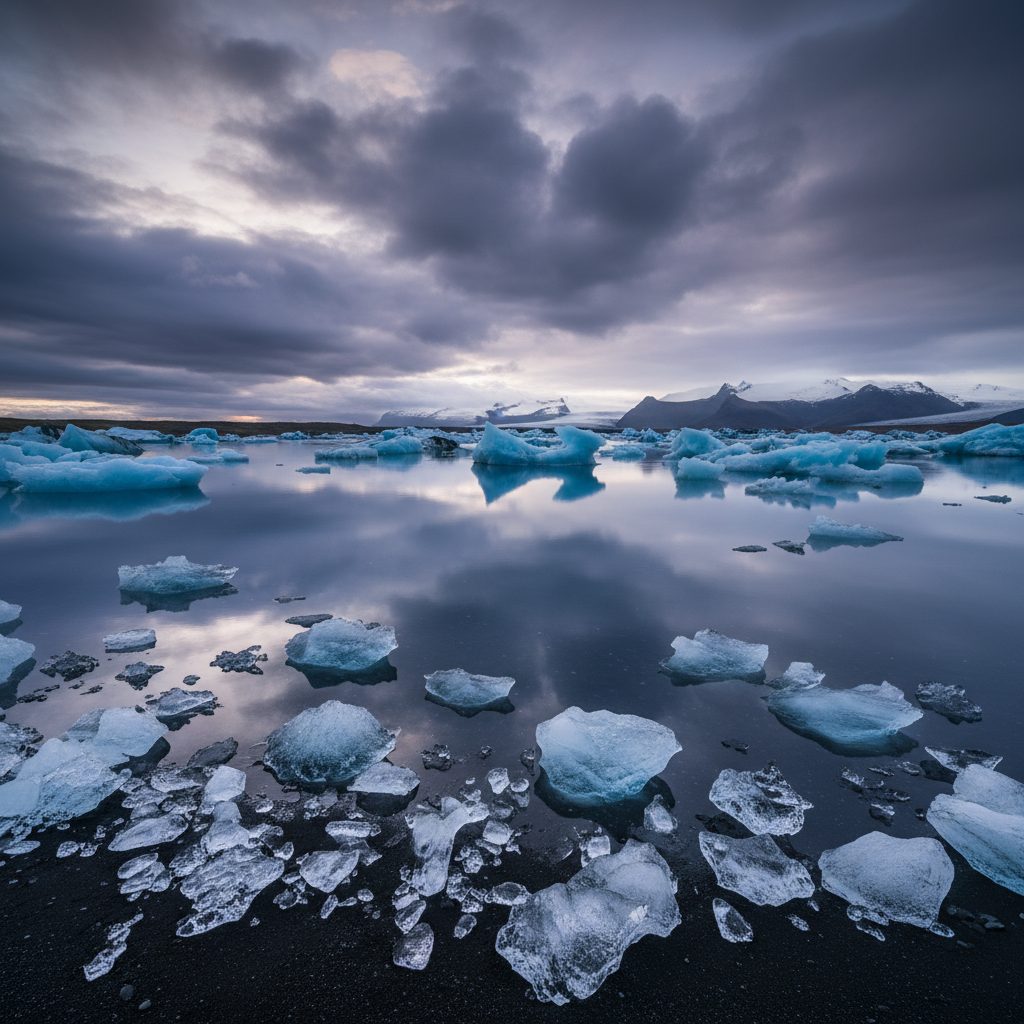
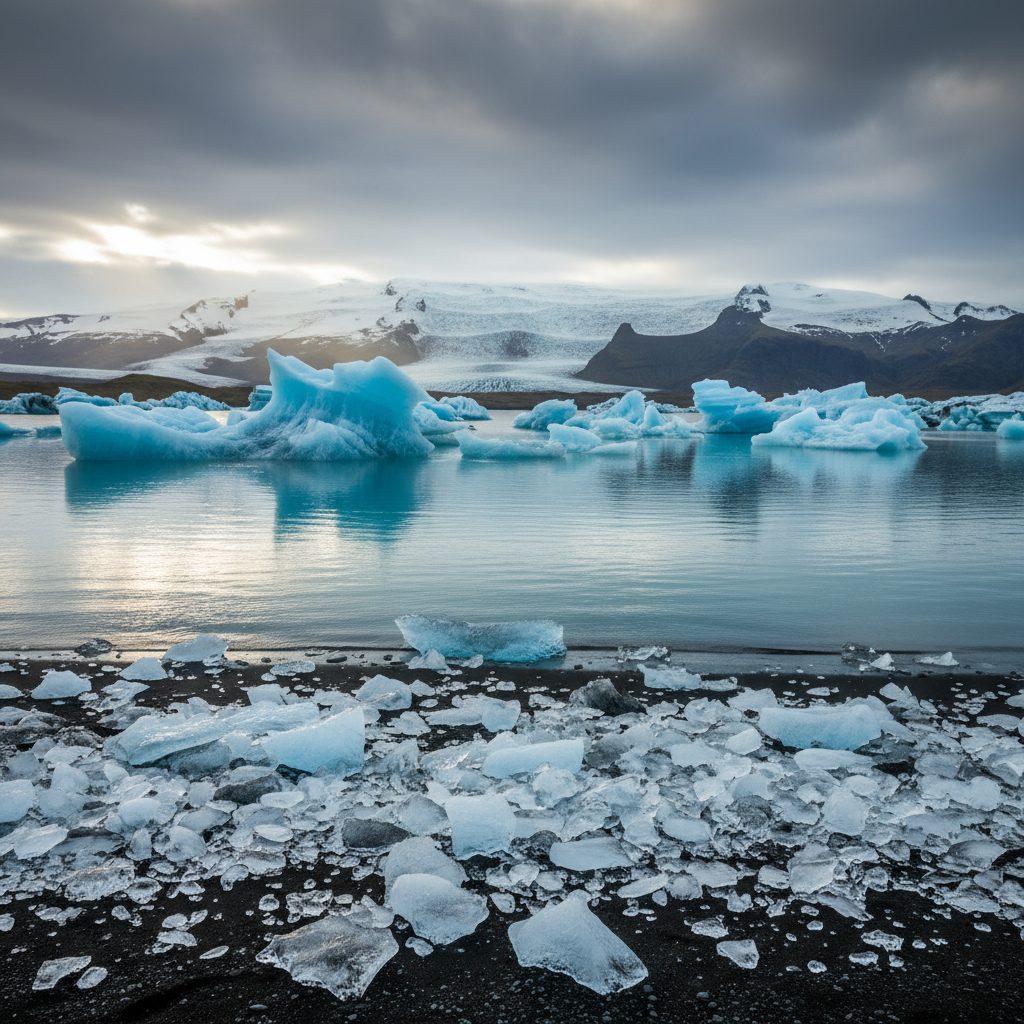
Jökulsárlón is Iceland's most iconic glacier lagoon, where massive icebergs calve from Breiðamerkurjökull glacier and float in an ice-filled lake. The sheer scale is astounding—icebergs the size of buildings drift in the lagoon with a soundtrack of cracking ice and splashing water. Visit in the morning when light is optimal and crowds are smaller, though the site does get busy even early in the day.
The adjacent Diamond Beach, named for the glistening ice chunks that wash ashore, provides a stark contrast. Black sand beaches juxtaposed with crystalline ice create dramatic photography opportunities.
Boat tours of Jökulsárlón Lagoon operate year-round, with summer tours being more frequent. The 45-minute tours get you close to icebergs and are worth the modest fee. Tours book up quickly in summer, so arrange in advance.
Skaftafell Valley and Hiking
Between Jökulsárlón and Höfn, Skaftafell Valley offers excellent hiking opportunities into Vatnajökull National Park. The valley contains waterfalls, forests, and glacier access. Trails range from easy 2-hour walks to challenging all-day hikes onto the glacier itself. Hiking on the glacier requires crampons and professional guidance—book glacier hiking tours in Höfn.
Höfn Town and Fresh Seafood
Höfn is a small harbor town at the southeastern corner of the Ring Road. The town is famous for its langoustines (scampi), and local restaurants serve the freshest seafood imaginable. Höfn provides good accommodation options and the last major supplies before heading west toward less developed areas.
Days 6-7: The Remote East (Höfn to Egilsstaðir)
The eastern coast is Iceland's least visited region, offering remoteness and raw natural beauty without the crowds. Roads are slightly rougher, and settlements are more spaced out, but the rewards are profound wilderness experiences.
Vestrahorn Mountain
Near the town of Stokksnes, Vestrahorn is a striking mountain rising dramatically from a black sand plain. The setting is otherworldly—jagged peaks against vast emptiness. The area is accessible with high-clearance vehicles, though a 4WD is safer. A modest entrance fee allows access to the Stokksnes area.
East Fjords
Iceland's east fjords are characterized by narrow fjords cutting deep into the land, creating dramatic coastal scenery. The Ring Road winds through mountainous terrain with sweeping views. Towns like Djúpivogur offer traditional Icelandic character without tourist development. The pace slows here—embrace it. Stop frequently to absorb the landscape.
Egilsstaðir and the Far Northeast
Egilsstaðir is the largest town in eastern Iceland, serving as a hub for exploring the region. The town has adequate services, accommodation, and restaurants. From Egilsstaðir, you can take a side trip to Lake Lagarfljót (famous for local folklore about a lake serpent) or continue north toward the arctic coast.
Photography in Iceland's Seasons
Summer (June-August) provides 24-hour daylight but crowds and higher prices. Winter (December-February) offers potential northern lights but limited daylight (4-5 hours) and weather challenges. Spring (April-May) and fall (September-October) provide good balance—manageable crowds, reasonable daylight, and lower prices. Photograph during these shoulder seasons for better light, fewer tourists, and weather stability.
Days 8-9: The North (Egilsstaðir to Borgarnes)
Iceland's north coast features some of the country's most distinctive landscapes, from powerful waterfalls to volcanic formations.
Ásbyrgi Canyon and Dettifoss
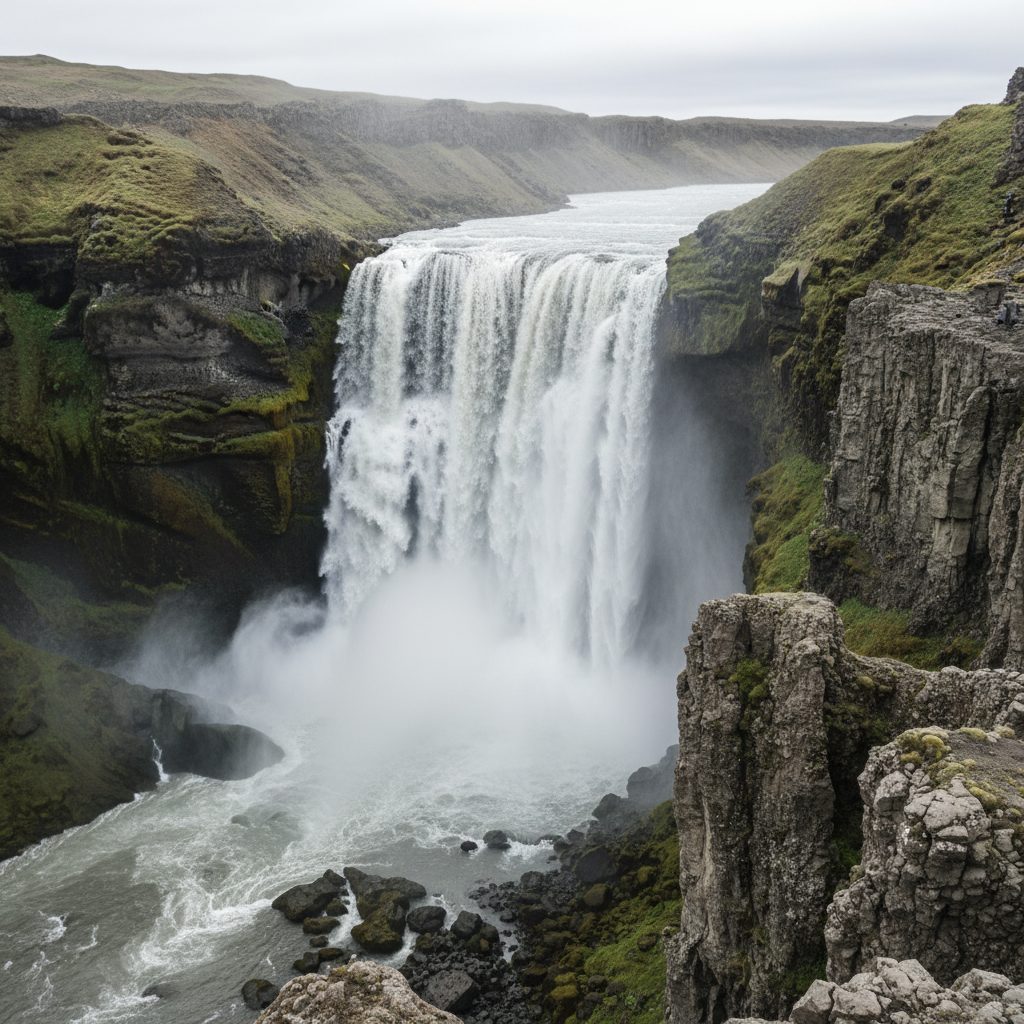
Near Akureyri (Iceland's second-largest town), Ásbyrgi is a magnificent U-shaped canyon said to be formed by glacial floods. The canyon contains walking paths and feels removed from the modern world despite being easily accessible. Nearby Dettifoss is Europe's most powerful waterfall, with a staggering volume of water crashing into a deep canyon. The spray is powerful enough to prevent approaching too closely, but the sheer force is awe-inspiring.
Lake Mývatn and Geothermal Wonders
Lake Mývatn in northern Iceland is a geothermal hotspot with numerous attractions. The lake itself, formed in a volcanic eruption roughly 2,300 years ago, is shallow and incredibly rich in birdlife. The surrounding area contains pseudo-craters, lava formations, and geothermal features.
Mývatn Nature Baths: Similar to the more famous Blue Lagoon but less crowded and cheaper, Mývatn Nature Baths offer geothermally heated bathing in milky blue water surrounded by volcanic landscape. The water's mineral composition creates a relaxing soak while photographers capture the unique setting.
Námafjall Geothermal Area: This geothermal field features steaming vents, colorful mineral deposits, and bubbling mud pools. The area smells of sulfur and looks alien, with steam rising continuously from the ground. Hiking trails wind through the formations, offering different perspectives.
Akureyri's Arctic Character
Akureyri, Iceland's second-largest city, sits in a fjord surrounded by mountains. The city offers restaurants, nightlife, and cultural attractions—a refreshing change from small villages. The harbor is picturesque, and the city's northerly location (66 degrees north) places it just south of the Arctic Circle.
Days 9-10: The Northwest and Return (Akureyri to Reykjavik)
The western drive back toward Reykjavik completes your Ring Road circuit with continued spectacular scenery. The drive from Akureyri to Reykjavik covers approximately 450 kilometers, requiring a long day or an overnight stop.
Goðafoss Waterfall
Between Akureyri and Blönduós, Goðafoss (the Waterfall of the Gods) is Iceland's most powerful waterfall by volume. The horseshoe-shaped cascade drops 45 meters into a dramatic amphitheater carved by Iceland's powerful rivers. The sheer power creates a constant roar and massive spray. The viewing platform allows safe viewing of this natural wonder.
Snæfellsnes Peninsula (Optional Side Trip)
If you skipped Snæfellsnes on your outbound journey, consider a detour from the Ring Road. The peninsula extends westward toward the 1,446-meter Snæfellsjökull volcano and offers waterfalls, coastal cliffs, and black sand beaches. The side trip requires 1-2 days and adds 230 kilometers, but rewards drivers with some of Iceland's most diverse landscapes compressed into a small area.
Return to Reykjavik
The final drive to Reykjavik completes your Ring Road circumnavigation. Depending on your chosen pace, you may have time for additional stops or simply settle into the rhythm of driving back to civilization. Use the final evening to celebrate completing Iceland's most famous road trip.
Essential Driving Information
Vehicle Rental and Insurance
Rent vehicles from established rental companies. A 2WD car suffices for summer Ring Road travel on the main highway, but 4WD is safer and necessary for any highland driving or winter travel. Comprehensive insurance is recommended to cover road damage, which is common in Iceland's harsh terrain. Off-road driving without proper vehicle and insurance can result in heavy fines.
Road Conditions and Weather
Iceland's weather is highly variable and can change within hours. Summer driving is generally straightforward with mostly clear roads. Winter (October-April) brings snow, ice, and reduced visibility. Check weather forecasts and road conditions at road.is before driving. Carry an emergency kit including food, water, warm clothing, and a first aid kit.
Driving Customs
- Drive on the left side of the road
- Headlights must be on at all times, even in daylight
- Speed limits: 50 km/h in towns, 80 km/h on regional roads, 90 km/h on main roads
- Wear seatbelts at all times
- Yield to vehicles exiting gravel roads
- Gravel roads require extra caution—drive slowly to avoid losing traction
Fuel and Supplies
Fill up whenever you see a petrol station—distances between stations can be significant in remote areas. Prices are high by international standards. Most gas stations accept credit cards. Supermarkets and small shops in settlements sell food, though selection is limited outside major towns. Carrying snacks and water is advisable for days with long driving stretches.
Wildlife Encounters
Iceland's wildlife is limited—you'll see sheep, Icelandic horses, and various bird species. Seals are common along coasts. Arctic foxes exist but are rarely seen. Avoid feeding or approaching animals. Some rivers contain salmon and trout, and if you fish, you need a permit. Respect wildlife and maintain safe distances for photography.
What to Pack for Your Ring Road Adventure
Clothing Essentials
- Waterproof jacket and pants (essential—Iceland is wet)
- Fleece or wool midlayers
- Warm base layers
- Waterproof hiking boots with good traction
- Warm hat, gloves, and scarf
- Thermal underwear for cold months
Driving and Camping Gear
- Sunglasses (sun reflects intensely off water and ice)
- Sunscreen and lip balm
- First aid kit and any required medications
- Emergency kit (water, snacks, blanket, flashlight)
- Reusable water bottle
- Camera and extra batteries (cold drains them quickly)
Optional Specialized Gear
- Crampons and microspikes for icy conditions
- Swimming suit (for geothermal pools)
- Binoculars (for bird watching)
- Tripod (for landscape and aurora photography)
The Ring Road is more than just a scenic drive—it's an immersion into Iceland's wild and otherworldly landscapes. Ten days allows you to experience the country's greatest hits while maintaining a reasonable pace that permits genuine exploration rather than mere sightseeing from a car window. Whether you complete this exact itinerary or create your own variation, driving the Ring Road is a transformative journey through one of Earth's most dramatic and geologically fascinating regions.
"Driving the Ring Road around Iceland felt like driving through different planets—glaciers that seemed from the ice age, volcanic landscapes that appeared alien, waterfalls of impossible scale. It rewired how I understand Earth's power."