Southeast Asia remains one of the world's most affordable travel destinations, making it an ideal region for budget-conscious travelers and backpackers. With careful planning and smart strategies, it's entirely possible to explore five countries—Thailand, Vietnam, Cambodia, Laos, and Indonesia—while spending just $30 per day. This comprehensive guide reveals how to make your Southeast Asian adventure both affordable and unforgettable.
The beauty of budget traveling in Southeast Asia isn't that you're compromising on experience; rather, you're spending money more efficiently on things that truly matter while skipping expensive tourist traps. By staying in local guesthouses, eating where locals eat, and using public transportation, you'll often have more authentic experiences than tourists spending three times your budget in air-conditioned resorts.
Daily Budget Breakdown: The $30 Reality
Breaking down your $30 daily budget helps you understand where your money goes and identify areas where you can adjust:
Accommodation: $8-10
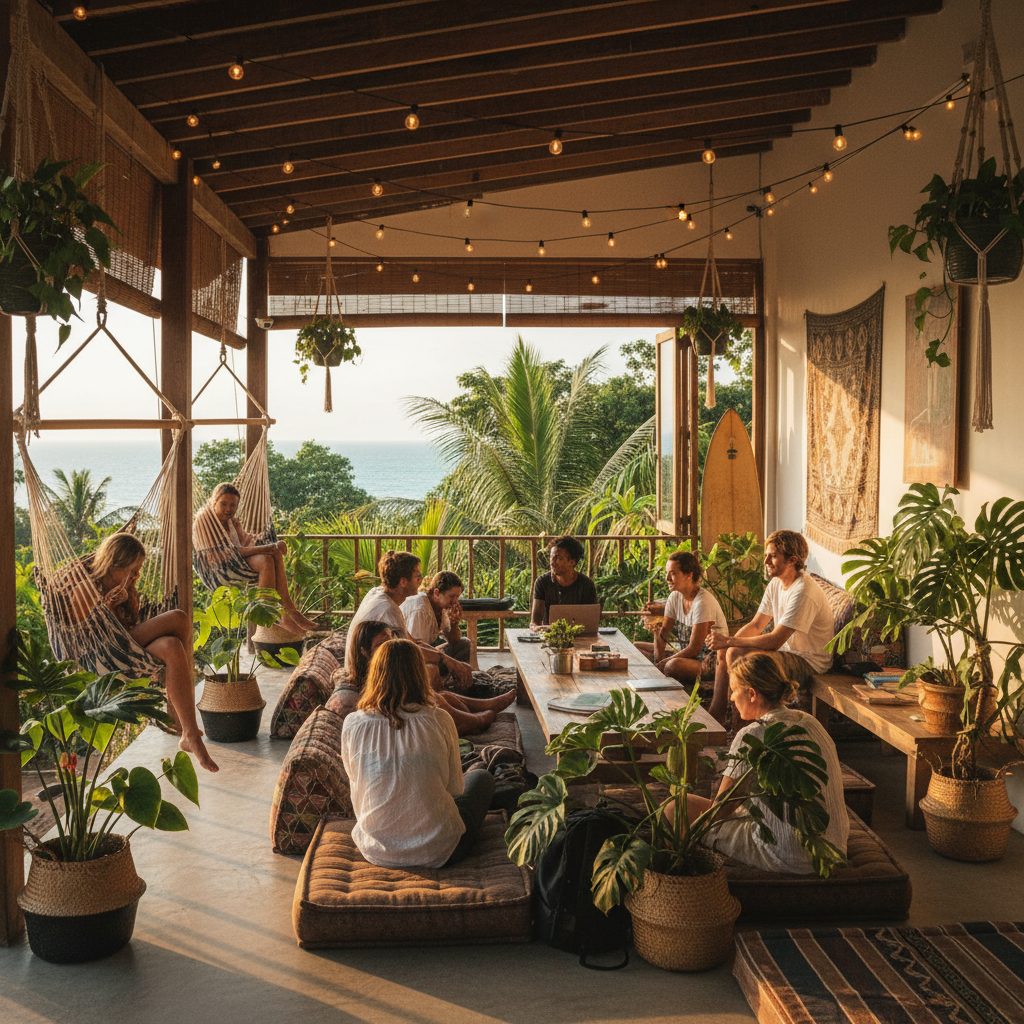
Budget guesthouses and hostels throughout Southeast Asia cost between $8-12 per night. In smaller towns and less touristy areas, you can find clean, basic rooms for $6-8. Shared dorm beds in hostels run $5-7 per night. While these accommodations may lack luxury amenities, most are clean with reliable Wi-Fi and basic furnishings.
Food: $10-12
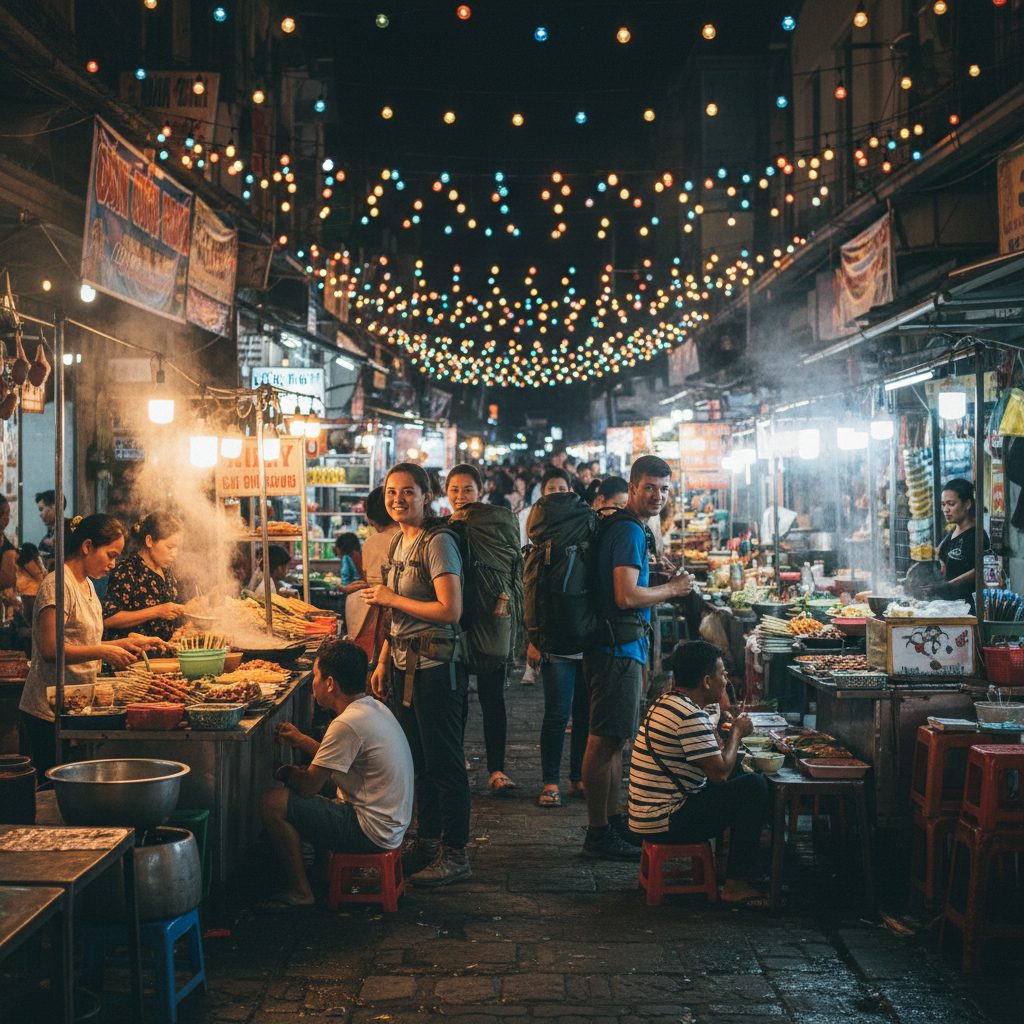
This is where budget travelers thrive in Southeast Asia. Local restaurants and street stalls serve incredible meals for $1-3 each. A breakfast of noodles costs $1, lunch at a local restaurant runs $2-3, and dinner might be $2-4. By eating where locals eat and avoiding tourist-oriented restaurants, you stretch your food budget significantly.
Transportation: $5-6
Getting around Southeast Asia is cheap. Local buses cost $1-5 between cities. Tuk-tuks within towns run $1-3. Overnight buses and trains are particularly economical, sometimes costing less than $10 for eight hours of travel while saving you a night's accommodation cost.
Activities and Miscellaneous: $5-8
Many attractions—temples, natural sites, street food experiences—are free or cost just a few dollars to enter. Budget $1-2 per activity as an average, leaving room for occasional paid experiences.
Daily Budget Reality Check
While $30/day is achievable, some days you'll spend more—for flights, longer transportation, or special experiences. Others you'll spend less. Aim for an average of $30-35/day, which provides more comfort and flexibility than strictly limiting yourself to $30 every single day. Over a 30-day trip, a $35/day average ($1,050 total) is still incredibly affordable.
Thailand: The Budget Backpacker Paradise
Thailand is famous for budget travel and with good reason. Bangkok offers incredible street food, cheap hostels, and plenty of free attractions. Night markets throughout the city serve phenomenal meals for $2-3.
Accommodation Savings
Bangkok's Khaosan Road area has dorm beds for $5-8 per night, though it's touristy. For better value, stay in local neighborhoods like Silom or Ari where guesthouses charge $8-12 for private rooms. Provincial Thailand offers even better deals—expect $5-8 per night for basic but clean rooms.
Food Strategy
Pad Thai, Tom Yum soup, and other Thai classics cost $1.50-3 at local eateries. Night markets operate in most towns, offering dozens of food stalls where you can eat incredibly well for under $5 total. Avoid malls and tourist restaurants; stick to street food and family-run establishments.
"The best meals I've eaten in my entire life cost $2. A elderly Thai woman was making fresh pad thai from her street cart at 7 AM, and it was better than anything I'd ever paid $20 for." - Budget traveler testimonial
Money-Saving Tips for Thailand
- Use local buses and songthaews (shared minibuses) instead of taxis
- Visit temples free of charge for peaceful, spiritual experiences
- Take advantage of Thailand's free Wi-Fi at cafes and guesthouses
- Book long-distance buses at bus stations directly rather than through travel agencies
- Negotiate prices at night markets, though many don't bargain much
Vietnam: Incredible Value for Money
Vietnam offers exceptional budget travel opportunities with some of Southeast Asia's cheapest prices. From Hanoi's chaotic charm to Ho Chi Minh City's energetic pace, Vietnam delivers incredible experiences on minimal spending.
Accommodation Excellence
Hanoi and Ho Chi Minh City have dorm beds for $4-7 per night and private rooms for $8-12. Smaller cities like Hoi An or Dalat offer similar prices with less tourist infrastructure, making the experience more authentic. Homestays in rural areas sometimes cost just $5-8 per night, including meals.
Street Food Heaven
Vietnamese cuisine is world-class and incredibly cheap. Pho costs $1-2 at local shops, banh mi sandwiches $0.75-1.50, and complete meals with rice and multiple dishes run $2-4. Street food culture is strong throughout Vietnam; eating at plastic-stool stands where locals gather is not just budget-friendly, it's the most authentic way to experience the food.
Transport Hacks
The Open Tour bus system is designed for backpackers, offering discounted rates for multi-leg journeys down the coast. Overnight buses save accommodation costs while covering distance. Local buses within cities cost just $0.25-0.50. The train from Hanoi to Ho Chi Minh City is scenic and economical for long-distance travel.
Vietnamese Currency Tips
Vietnam uses the Dong (VND), with rates around 24,000-25,000 per $1 USD. Always withdraw cash from ATMs in cities to get better rates than currency exchanges. Smaller establishments may only accept cash, and having change in local currency helps with bargaining at markets.
Cambodia: Ultra-Affordable Adventures
Cambodia is arguably Southeast Asia's cheapest destination, with prices even lower than Vietnam. Accommodation, food, and transportation all offer exceptional value, making Cambodia ideal for extending your budget.
Siem Reap and Angkor Wat
Siem Reap, the gateway to Angkor Wat, has dorm beds for $4-6 and rooms for $8-12. The Angkor Wat temple complex entrance fee is $37 for a three-day pass—one of Southeast Asia's pricier attractions, but worth budgeting for. The actual exploration of temples is then free once you have the pass.
Eating and Transportation
Cambodian food is delicious and super cheap. Breakfast can be rice porridge for $0.75, lunch a curry plate for $2, and dinner a grilled fish with vegetables for $3. Local buses connecting cities cost $2-5 depending on distance. Tuk-tuk rides in towns run $1-2.
Less Touristy Alternatives
While Siem Reap is popular, Phnom Penh (the capital) offers more authentic experiences at lower prices. Kampot and Kep, coastal towns in southern Cambodia, have almost no tourism infrastructure and correspondingly lower prices. Bamboo Island and other beach destinations are developing slowly, keeping costs minimal.
Laos: The Backpacker's Backpacker Destination
Laos is often overlooked but offers exceptional budget value and deeply rewarding travel experiences. The country maintains a slower pace than other Southeast Asian nations, making it ideal for extended stays on a tight budget.
Luang Prabang Magic
The UNESCO-listed town of Luang Prabang is Laos's most visited destination, yet remains affordable. Guesthouses charge $6-10 per night, and food at local stalls runs $1-3 per meal. The morning alms-giving ceremony with Buddhist monks—a spiritual highlight—is completely free.
Vang Vieng Activities
Vang Vieng offers cave tubing, rock climbing, and scenic hikes, with activity prices surprisingly low ($10-20 per activity). Accommodation is cheap at $5-8 per night, and food from local vendors costs $1-2 per meal.
Money Management in Laos
The Laotian Kip (LAK) exchange rate is around 20,000+ per $1 USD, making daily transactions involve large numbers. ATMs are available in major towns. Some places still accept Thai Baht due to close ties with Thailand, giving you flexibility if you're moving between countries.
"Laos feels like traveling back in time compared to other Southeast Asian nations. Less developed tourism infrastructure means significantly lower prices and much more authentic interactions with locals."
Indonesia: Island Hopping on a Budget
Indonesia, the world's largest archipelago, offers incredible diversity across thousands of islands, all accessible on a budget. From Bali's beaches to Java's cultural heritage, budget travel is very possible with smart planning.
Bali Budget Breakdown
Bali's reputation for being expensive applies mainly to resort areas. In Ubud (the cultural heart) and Canggu (the backpacker hub), dorm beds cost $5-8 and rooms $10-15. Food ranges from $1-2 for noodles at warungs to $3-5 for restaurant meals. Activities like rice terrace trekking, waterfalls, and temple visits are free or cost under $5.
Beyond Bali
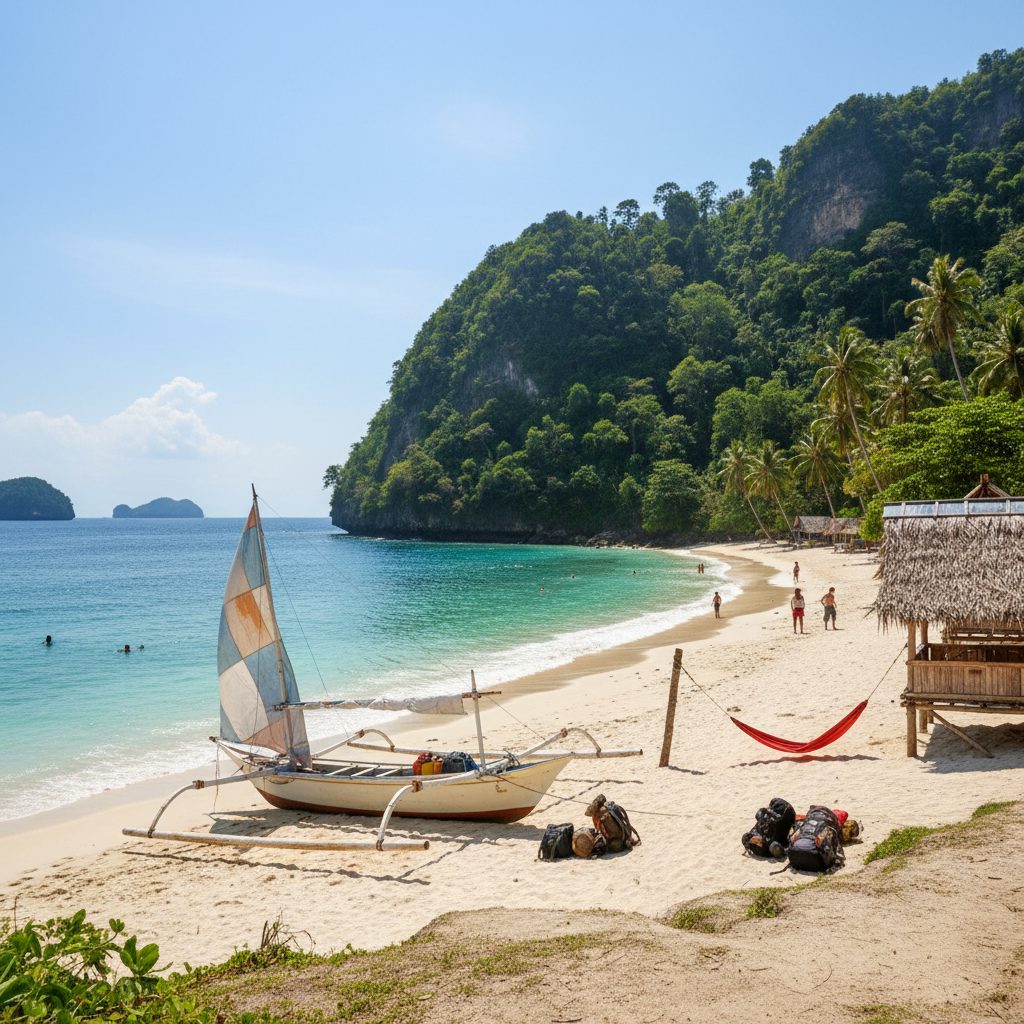
The Gili Islands (tiny islands near Lombok) have become popular with budget travelers. Flores, the Banda Islands, and Sulawesi offer incredible experiences at lower prices than Bali. Ferries between islands cost $5-20, making island-hopping economical.
Food Strategy in Indonesia
Nasi goreng (fried rice), nasi kuning (turmeric rice), and gado-gado (vegetable salad) cost $1-2 at local warungs. Traditional coffee shops serve excellent local coffee for $0.50-1. Seafood is cheap, especially away from tourist areas. Satay skewers from street vendors cost $0.50-1 each.
Indonesian Rupiah Reality
Indonesia uses the Rupiah (IDR), with rates around 15,500-16,000 per $1 USD. Every small purchase seems expensive in numbers, but remember 100,000 IDR is just $6-7. Don't be confused by all the zeros when budgeting.
General Money-Saving Strategies
Transportation Hacks
- Take overnight buses/trains to save on accommodation costs
- Book transportation directly at bus stations, not through agencies
- Use local buses and public transport instead of taxis
- Walk or rent bicycles for short distances
- Look for flash sales on budget airlines operating in Southeast Asia
Food Savings
- Eat at local restaurants where locals eat, not tourist areas
- Visit night markets for multiple food options at minimal cost
- Buy fruit and snacks from markets instead of convenience stores
- Drink tap water from bottles you refill (or bottled water in questionable areas)
- Skip alcohol or drink local beers which are cheaper than imports
Activity Savings
- Many temples and natural sites charge minimal entry fees or are free
- Join group tours to split guide costs
- Visit during shoulder season (May-June, September-October) for better prices
- Use free walking tours in major cities
- Explore neighborhoods and markets on your own rather than paid tours
Finding Cheap Flights and Getting to Southeast Asia
Getting to Southeast Asia cheaply is often your biggest expense. Search for flights 6-8 weeks in advance. Consider flying into a hub city like Bangkok, Ho Chi Minh City, or Jakarta where competition keeps prices low. Budget airlines like AirAsia, Vietjet, and others operate cheap regional flights once you're in Southeast Asia.
Budget traveling in Southeast Asia isn't about deprivation; it's about prioritization. Spend money on experiences that matter to you—whether that's hiking, food, cultural sites, or comfortable accommodation—while skipping expensive tourist traps and tourist-priced restaurants. With careful planning and these money-saving strategies, $30 per day is not just achievable, it's a gateway to one of the world's most rewarding travel regions.
"Traveling cheaply in Southeast Asia taught me that expensive travel often means missing out on authentic experiences. The best moments of my entire journey cost almost nothing and were found by going where locals go."