Barcelona is one of those rare cities that has everything — world-class architecture, golden Mediterranean beaches, a food scene that could keep you busy for months, and a street-level energy that makes you want to stay forever. Whether you're here for a long weekend or a full week, this guide covers the 15 best things to do, with practical details on costs, hours, and how to make the most of each one.
I've organized this guide roughly by priority, starting with the unmissable landmarks and working through neighborhoods, food, beaches, and day trips. At the bottom you'll find a sample 5-day itinerary, budget tips, and a neighborhood-by-neighborhood breakdown of where to stay.
1. La Sagrada Familia
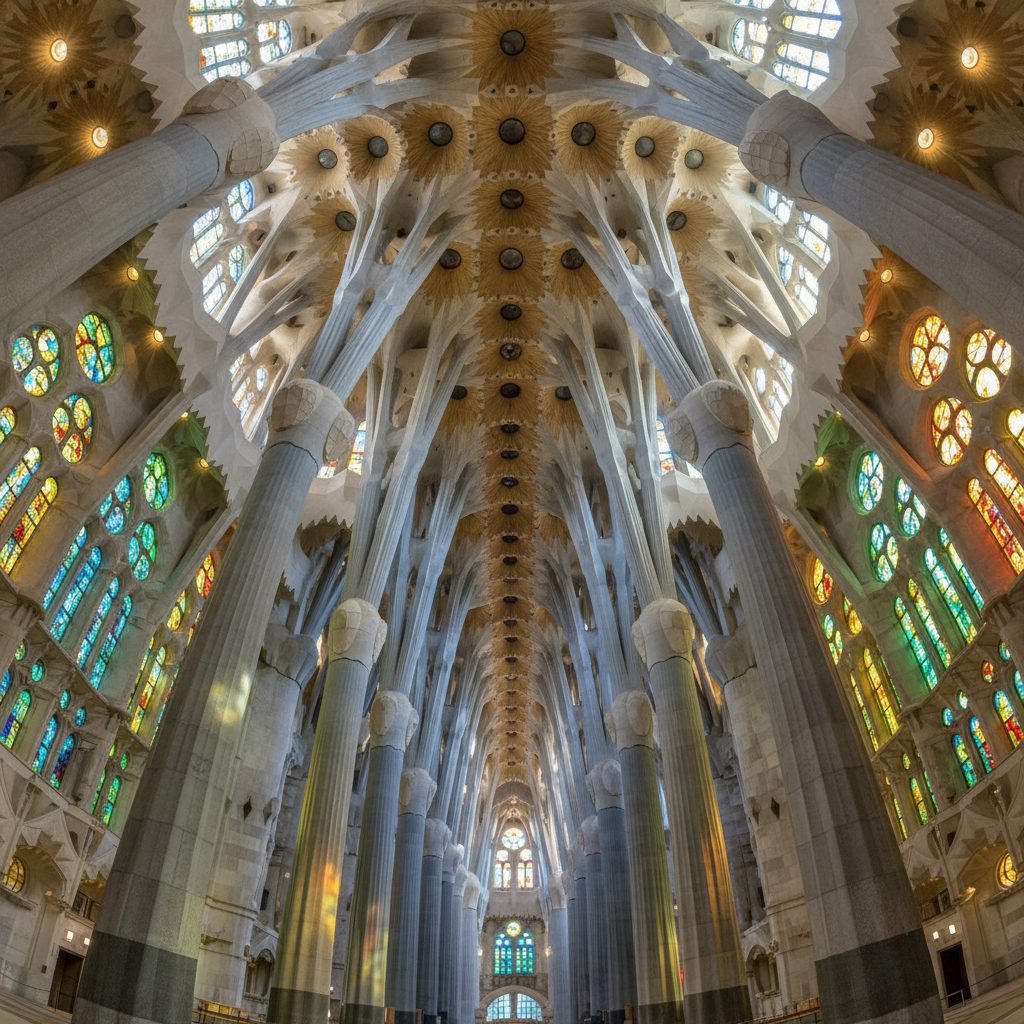
There's no way around it — Sagrada Familia is the single most extraordinary building most people will ever see in person. Antoni Gaudí's unfinished basilica has been under construction since 1882 and is expected to be completed around 2026. The exterior is a forest of organic towers and intricate stone carvings, but the interior is where it truly takes your breath away: towering tree-like columns support a canopy ceiling that filters light through kaleidoscopic stained glass windows in blues, greens, golds, and reds.
The level of detail is staggering. Every surface tells a story — the Nativity façade, the Passion façade, and eventually the Glory façade each represent different aspects of the life of Christ, rendered in Gaudí's unmistakable organic style. Stand inside at mid-morning when the eastern light pours through the warm-toned windows, and you'll understand why people cry in here.
2. Park Güell
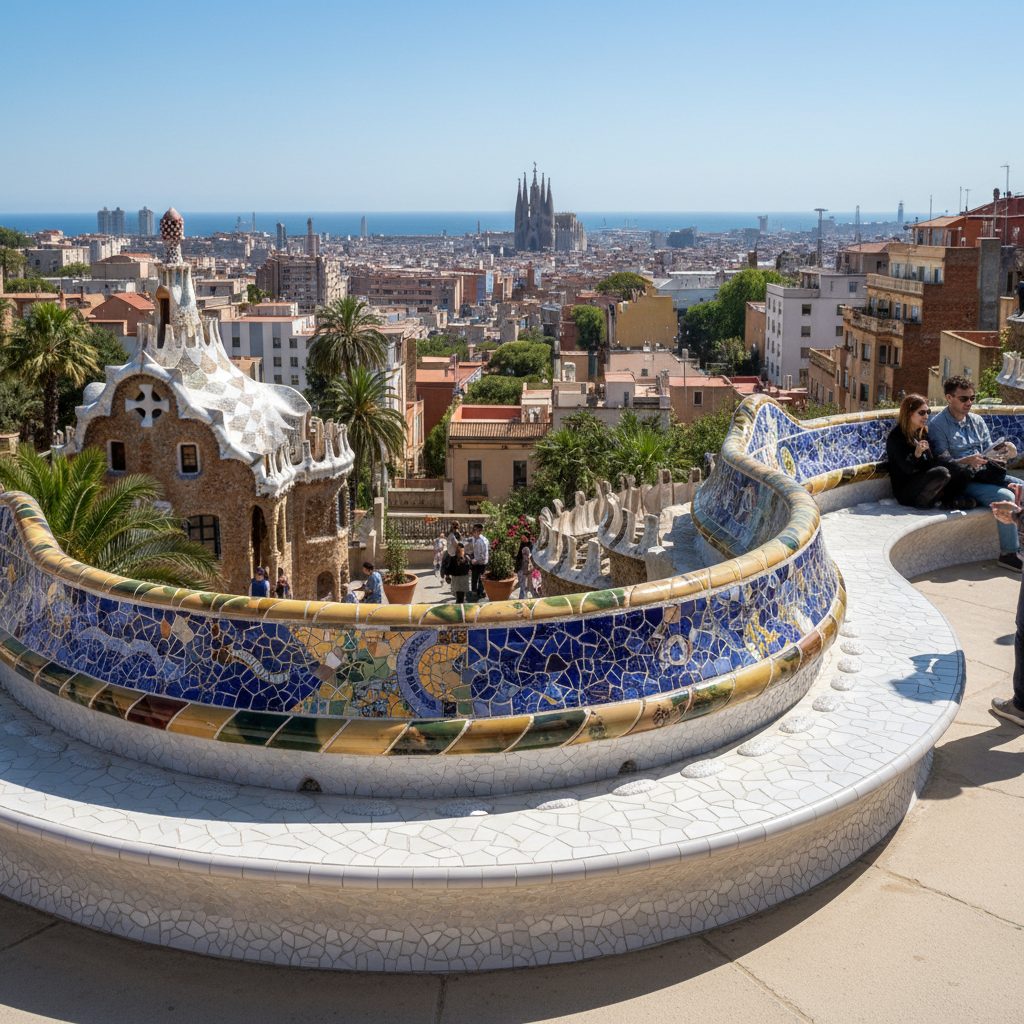
Gaudí's public park is a riot of color perched on Carmel Hill — a place where whimsical mosaic benches, gingerbread-style gatehouses, and undulating stone colonnades blend with Mediterranean gardens and city-wide panoramic views. The centerpiece is the serpentine bench that wraps around the main terrace, covered in broken-tile mosaic (trencadís) in every color imaginable, with views stretching from the Sagrada Familia spires all the way to the sea.
The monumental zone (the famous colorful part) requires a timed ticket, but the surrounding park is free and honestly just as pleasant for a walk. Arrive early in the morning or in the late afternoon to avoid peak crowds and to catch the best light for photos. The walk up from the nearest metro is steep but rewarding — or take bus 24 which drops you at the top entrance.
3. The Gothic Quarter (Barri Gòtic)
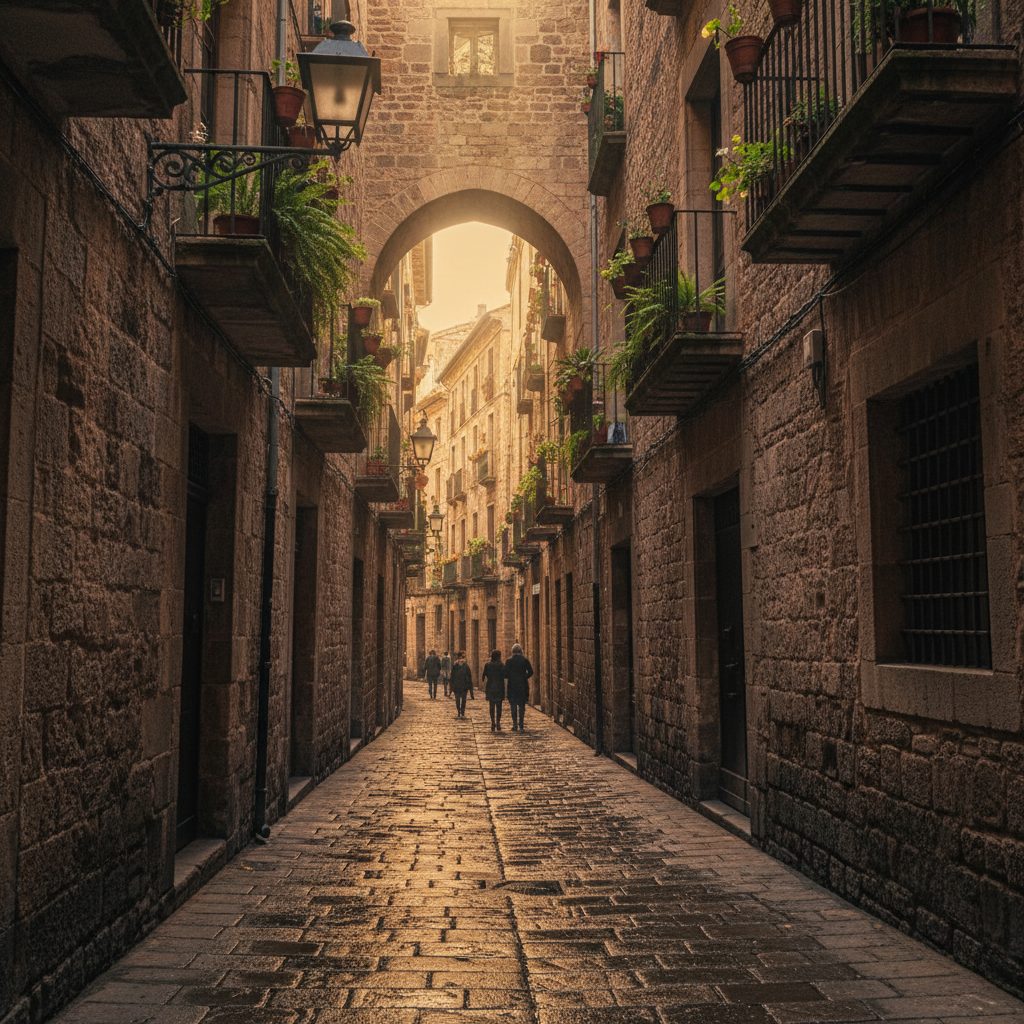
The Gothic Quarter is Barcelona's ancient heart — a maze of narrow stone streets, hidden plazas, and medieval buildings dating back to the Roman settlement of Barcino. You could spend an entire day just wandering here without any plan and stumble across something extraordinary every few minutes: the towering Barcelona Cathedral with its cloister full of white geese, the Pont del Bisbe (a neo-Gothic bridge that's one of the most photographed spots in the city), the Plaça Reial with its Gaudí-designed lampposts, and the remains of a Roman temple tucked inside a medieval courtyard.
The best way to experience the Gothic Quarter is to deliberately get lost in it. Put your phone away, pick a direction, and follow the narrow lanes wherever they take you. You'll find tiny artisan workshops, centuries-old bars, hole-in-the-wall cafés, and quiet squares where locals sit reading newspapers under orange trees. In the evening, the neighborhood transforms — the Plaça Reial fills with diners, street musicians set up in front of the cathedral, and the ambient lighting turns the stone walls golden.
4. La Rambla & La Boqueria Market
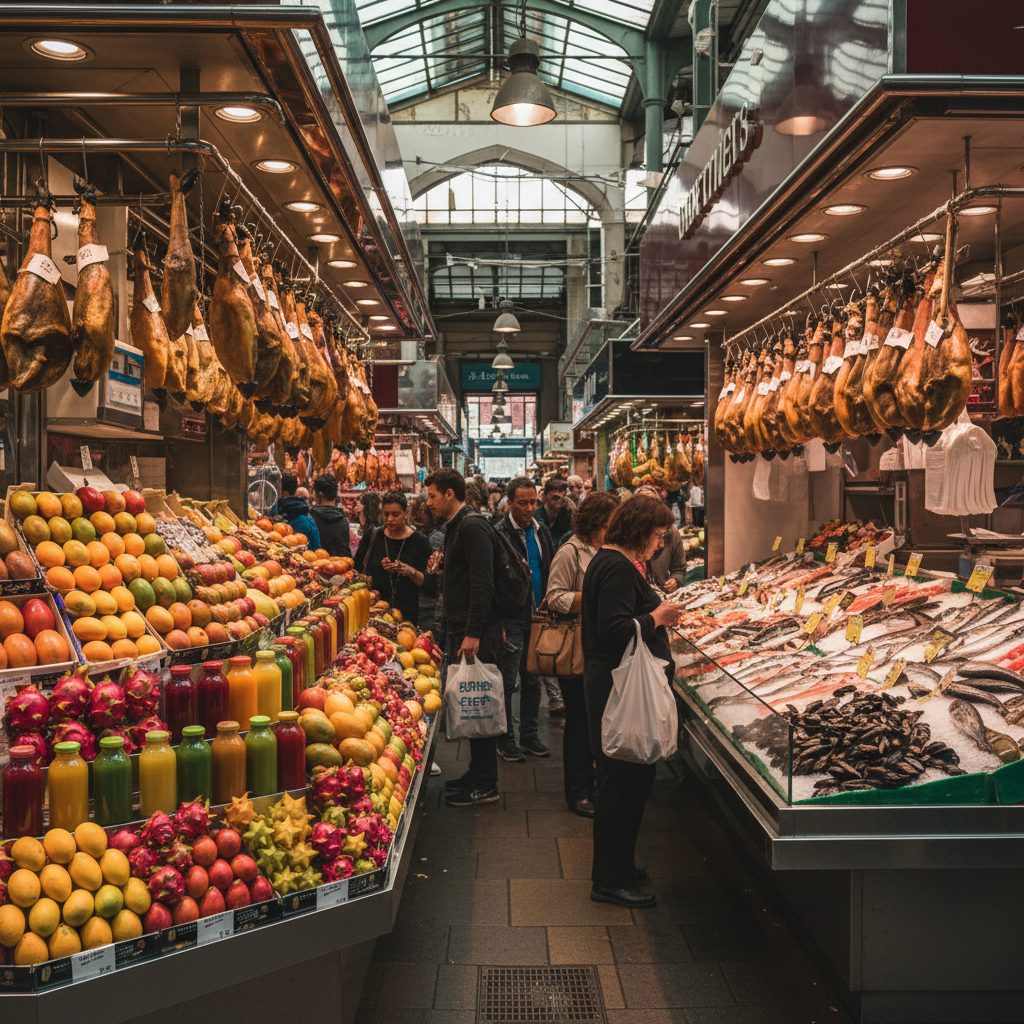
La Rambla is Barcelona's most famous boulevard — a tree-lined pedestrian strip running from Plaça Catalunya down to the Columbus Monument at the waterfront. It's crowded and touristy, yes, but it's also genuinely atmospheric, especially in the early morning before the crowds arrive or late in the evening when it takes on a different character. The real reason to walk La Rambla is to duck into the Mercat de la Boqueria, one of Europe's greatest food markets.
La Boqueria is a sensory overload in the best possible way. Stall after stall of glistening seafood, cured Iberian ham hanging from ceiling hooks, towers of exotic tropical fruit, freshly squeezed juices in every color, and small bar-counters where you can eat some of the best market food in Spain. Head past the front stalls (which are more expensive and tourist-focused) to the interior and back corners where locals shop and prices are more reasonable.
5. Casa Batlló & Casa Milà (La Pedrera)
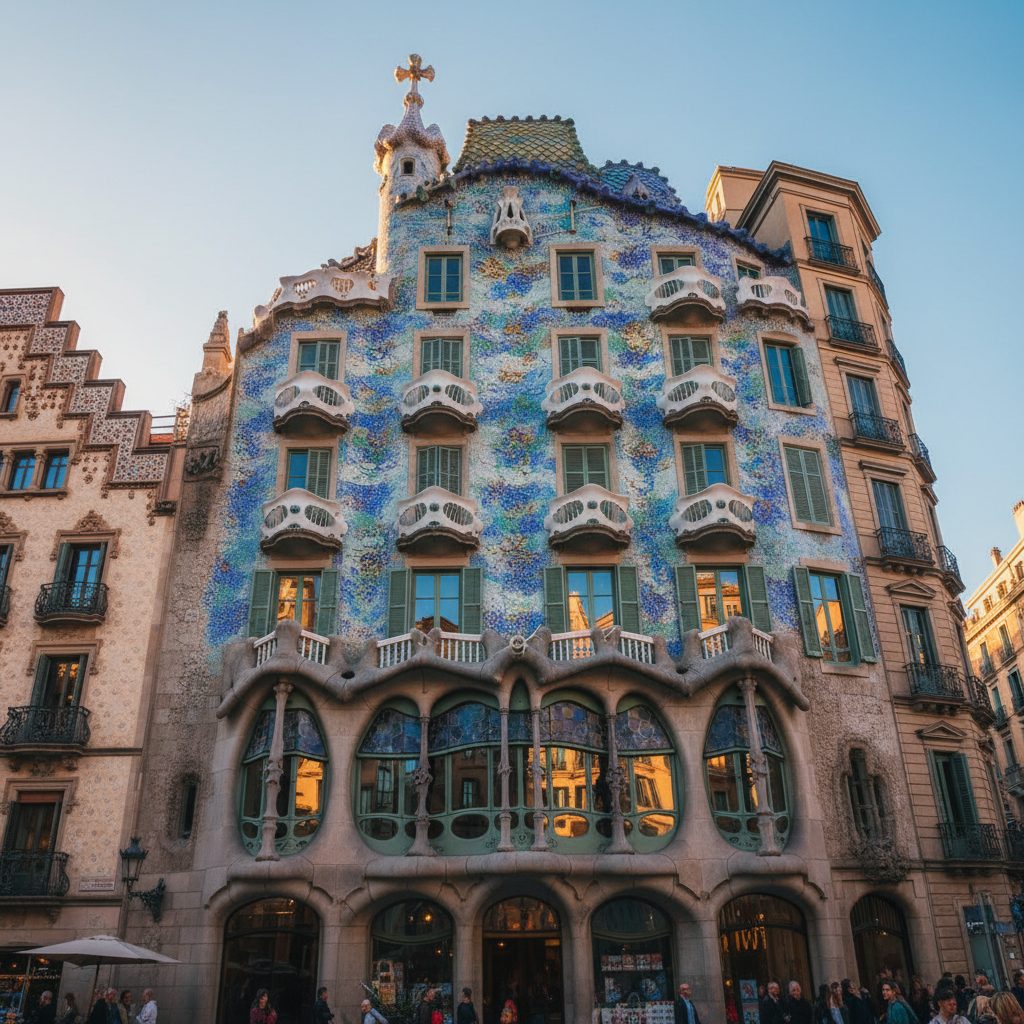
Passeig de Gràcia is Barcelona's grand boulevard, and it's home to two of Gaudí's most famous residential buildings. Casa Batlló (the blue-green one with the dragon-spine roof) is the more visually striking — its facade shimmers with broken ceramic tiles, the balconies look like skull masks, and the roof undulates like the back of a mythical creature. Inside, Gaudí's obsession with natural forms reaches its peak: not a single straight line exists. The audio guide uses augmented reality to bring the rooms to life, and it's genuinely impressive.
A few blocks up, Casa Milà (La Pedrera) is the more architecturally innovative of the two — a rippling stone facade that looks like it's melting in the sun, with a rooftop of surreal chimney sculptures that look like armored sentinels. The rooftop terrace is the highlight, especially during the summer evening shows when they project light installations onto the chimneys.
6. Barceloneta Beach & the Waterfront
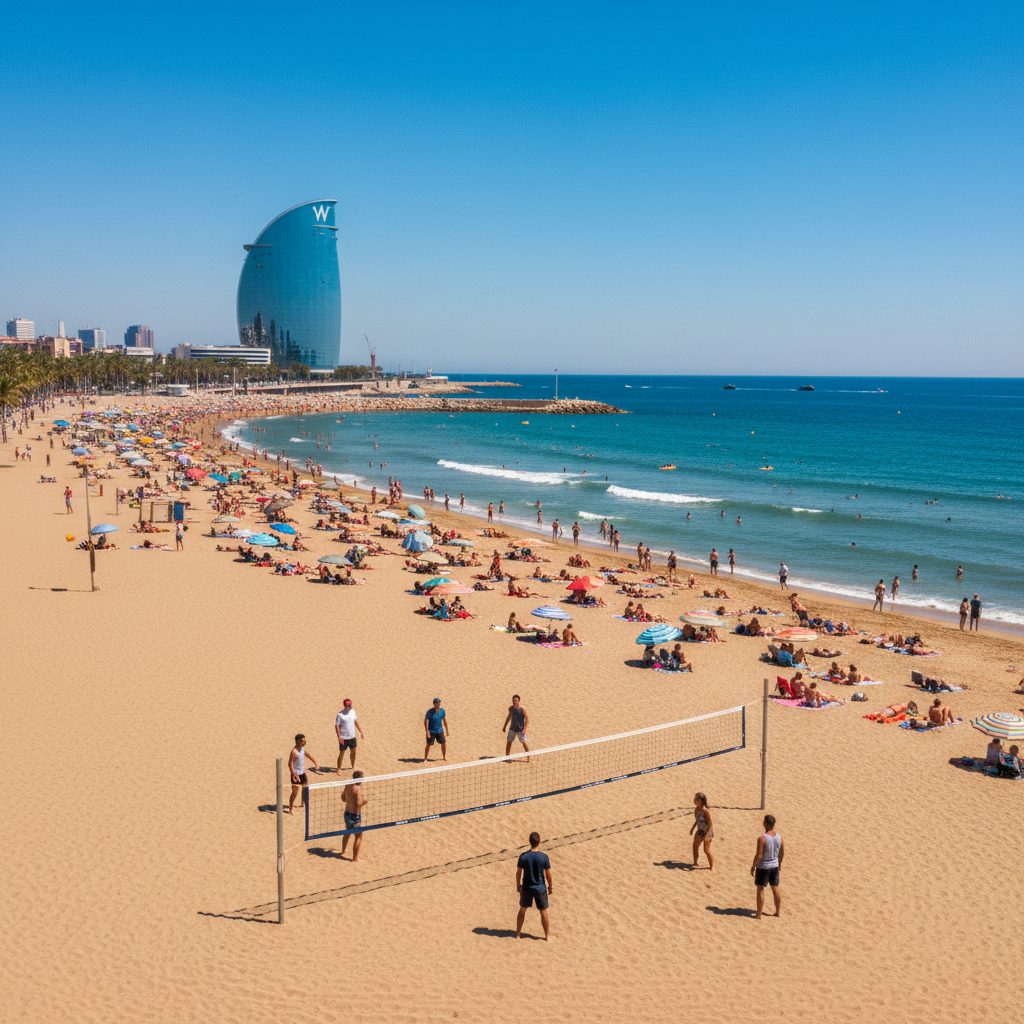
One of Barcelona's greatest superpowers is that it's a world-class city with a proper Mediterranean beach. Barceloneta is the most central and popular stretch — a wide arc of golden sand lined with chiringuitos (beach bars), volleyball nets, and a boardwalk packed with joggers, cyclists, and people-watchers. The water is clean and warm from June through September, and the vibe is relaxed and social.
Beyond Barceloneta, the beaches continue northeast along the coast — Bogatell and Mar Bella are progressively quieter and more local. The entire waterfront is connected by a long promenade that's perfect for a sunset walk or bike ride, passing the Port Olímpic marina, Frank Gehry's giant golden fish sculpture, and eventually reaching the Fòrum area with its massive solar panel and open-air event spaces.
7. El Born Neighborhood
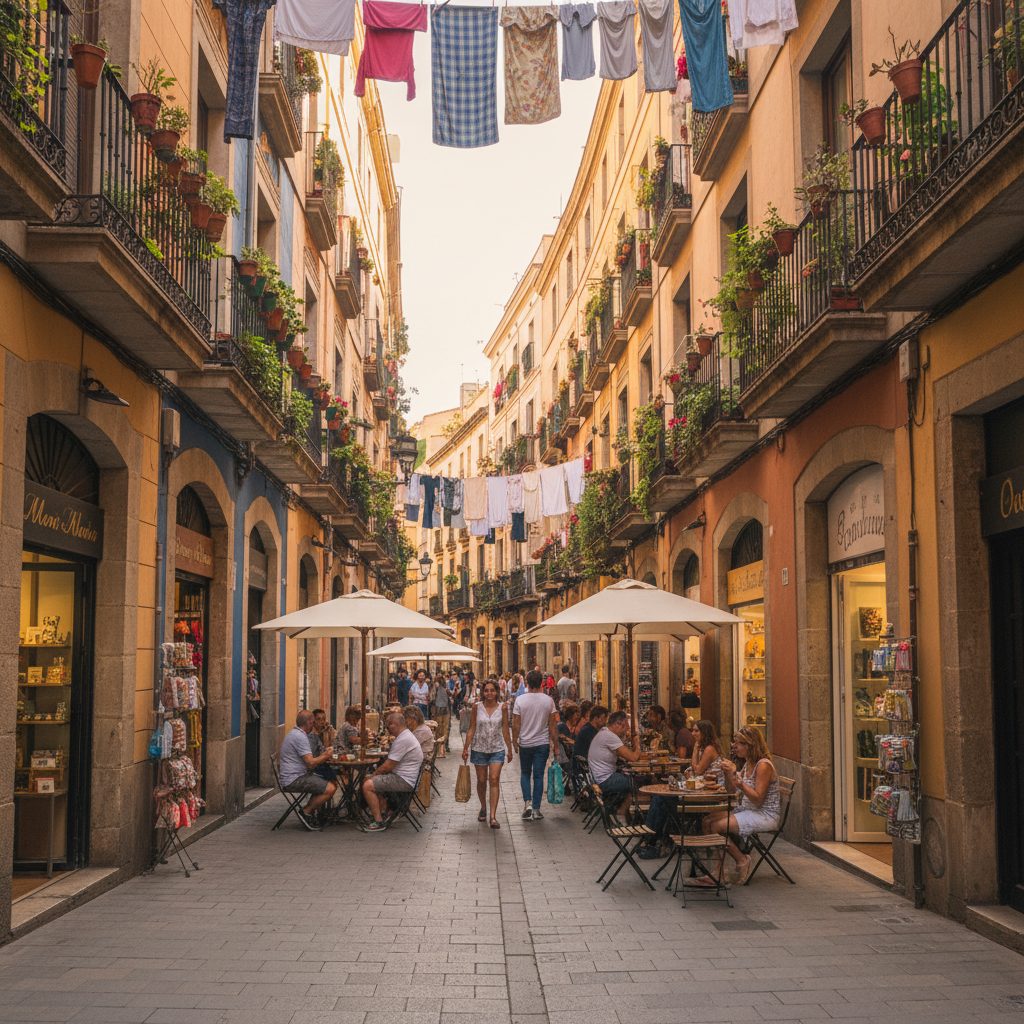
If the Gothic Quarter is Barcelona's medieval soul, El Born is its stylish younger sibling. This compact neighborhood just east of the Barri Gòtic is packed with independent boutiques, cocktail bars, art galleries, and some of the city's best restaurants. The main artery, Passeig del Born, is a wide tree-lined boulevard that fills with cafe terraces and street performers every evening.
The cultural anchor is the Picasso Museum, housed in five connected medieval palaces, which holds one of the most extensive collections of Pablo Picasso's early work. Nearby, the stunning 14th-century Santa Maria del Mar basilica (the inspiration for the novel "Cathedral of the Sea") has soaring Gothic arches and a luminous simplicity that rivals any church in Europe. And don't miss the El Born Cultural Centre — a beautifully restored iron-and-glass market building that shelters excavated ruins of the 1714 city underneath its floor.
8. Montjuïc Hill
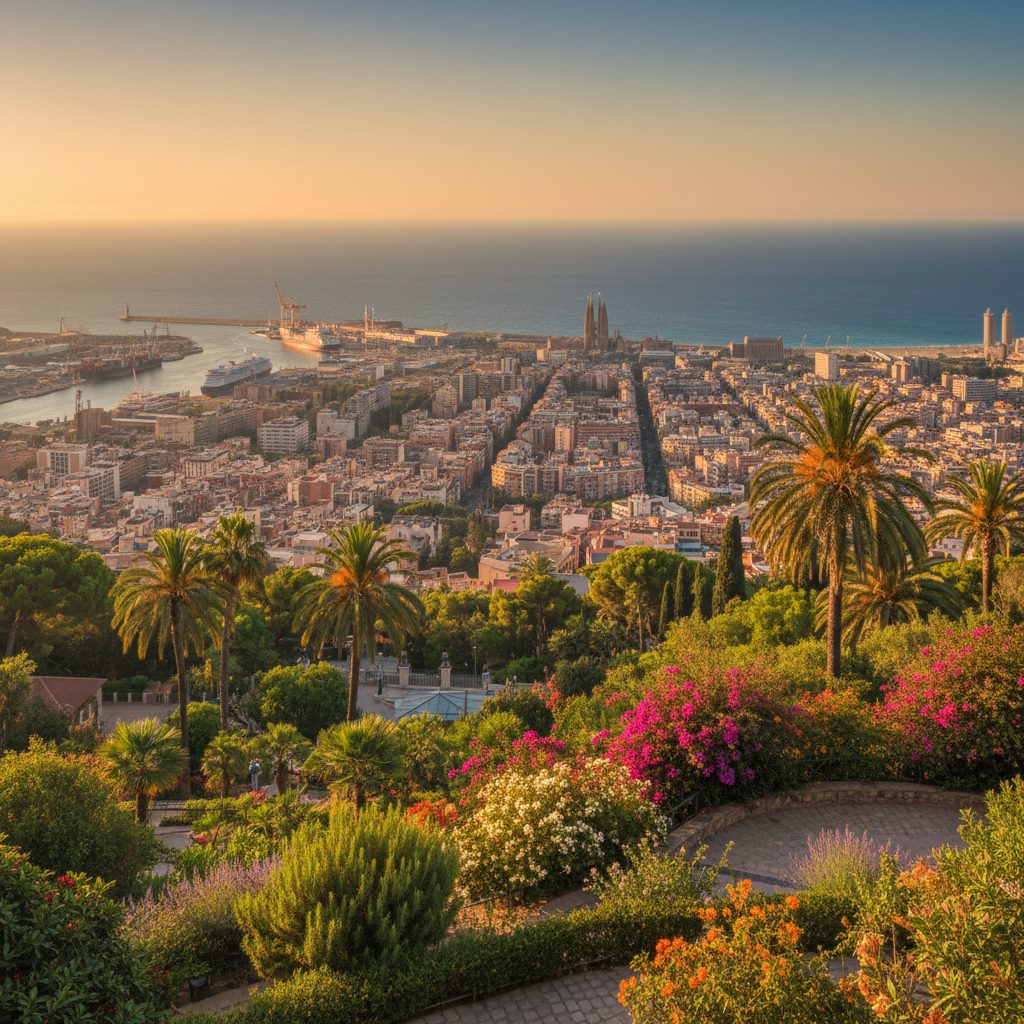
The hill of Montjuïc rises above the southwestern edge of the city and contains enough attractions to fill an entire day. Start by taking the cable car from Barceloneta beach up to the Montjuïc castle at the summit, where you'll get 360-degree views of the city, the port, and the sea. From there, work your way downhill through the terraced gardens — the Jardins de Joan Brossa, the Jardí Botànic, and the beautiful Jardins de Laribal with their stepped fountains and shaded walkways.
Art lovers should not miss the Fundació Joan Miró, a stunning white modernist building housing a vast collection of Miró's paintings, sculptures, and tapestries. The MNAC (Museu Nacional d'Art de Catalunya) at the base of Montjuïc has an incredible Romanesque art collection and a rooftop terrace with one of the best views in the city. On Friday and Saturday evenings, the Magic Fountain at the foot of Montjuïc puts on a free light-and-music water show that's genuinely spectacular.
9. Tapas, Pintxos & the Barcelona Food Scene
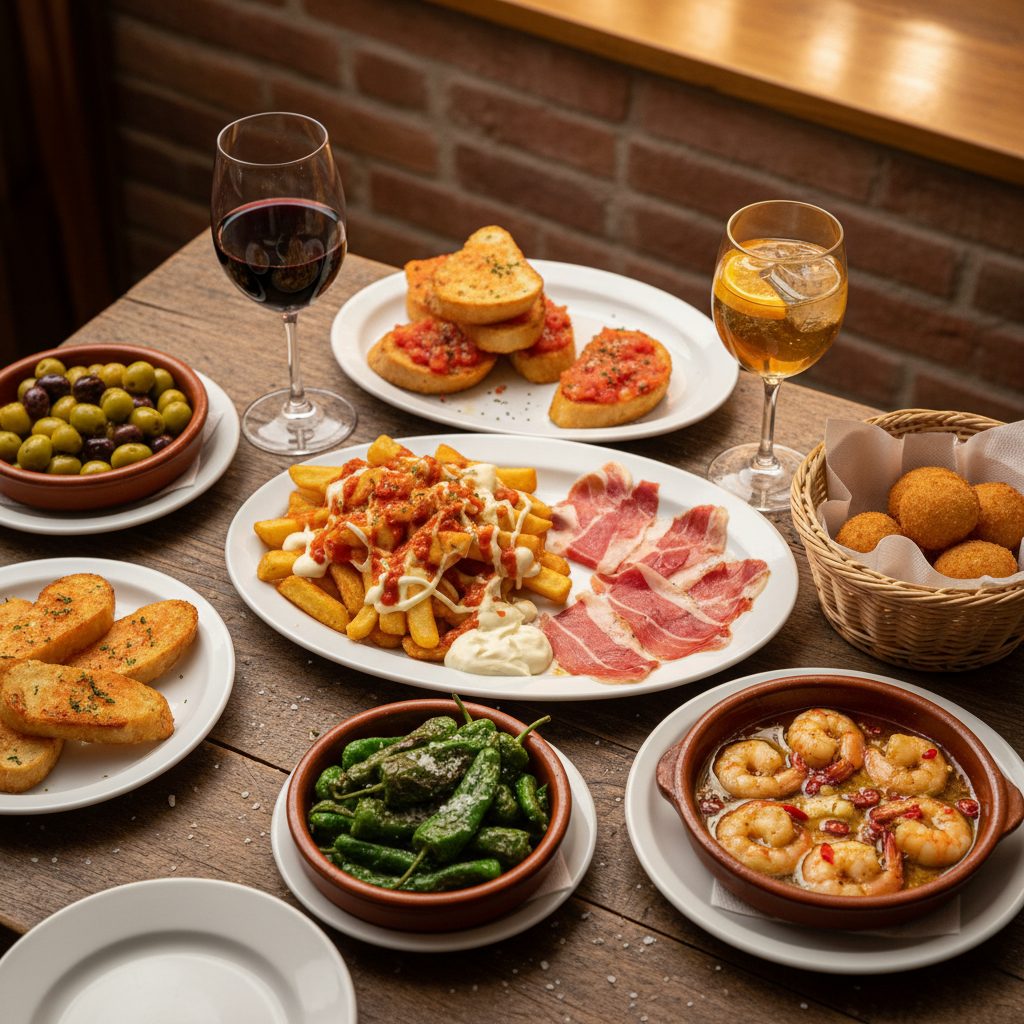
Barcelona's food scene is extraordinary, spanning everything from hole-in-the-wall tapas bars to Michelin-starred restaurants. The key to eating well here is getting away from La Rambla and the waterfront tourist traps and into the neighborhoods where locals eat. Gràcia, Poble Sec, El Born, and Sant Antoni are the best areas for authentic, well-priced food.
For traditional Catalan cuisine, look for dishes like pa amb tomàquet (bread rubbed with tomato and olive oil — deceptively simple and utterly delicious), escalivada (roasted vegetables), botifarra amb mongetes (sausage with white beans), and fideuà (a seafood noodle dish similar to paella but better, in the opinion of most Catalans). Poble Sec's Carrer de Blai is famous for its pintxos bars — a street lined with standing-room-only bars where you pick pintxos (small bites on bread) from the counter at €1–2 each.
For seafood, skip the overpriced tourist restaurants on the waterfront and instead try the local favorites in Barceloneta's back streets — small family-run restaurants that serve the day's catch grilled simply with olive oil and lemon. And don't leave Barcelona without trying a vermouth (vermut) at one of the city's old-school vermuteries — it's a deeply Catalan tradition, especially on Sunday mornings before lunch.
10. Gràcia Neighborhood
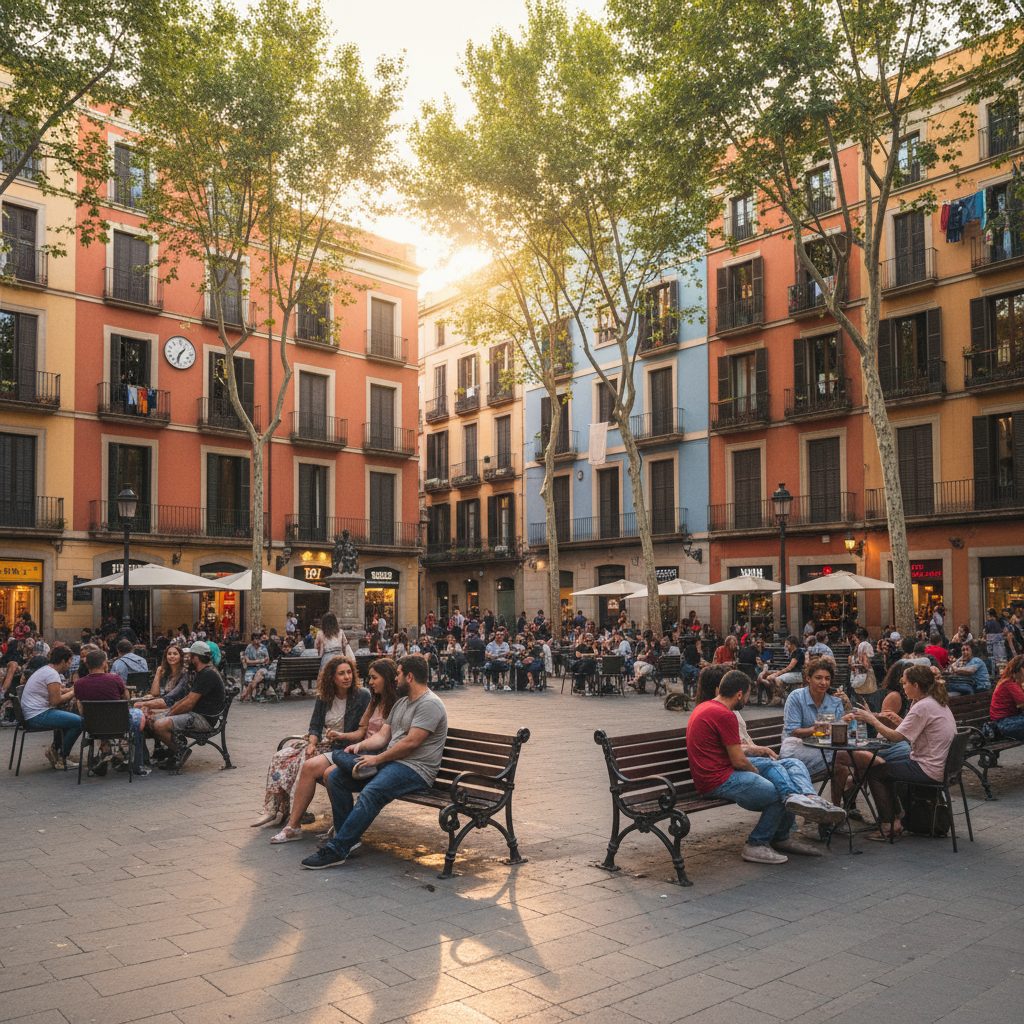
Gràcia feels like a village that happens to be inside a major city. This bohemian neighborhood north of the Eixample was an independent town until the late 19th century, and it still has its own distinct character — narrow streets, small independent shops, and a constellation of lively plazas (Plaça del Sol, Plaça de la Vila de Gràcia, Plaça de la Virreina) where locals gather in the evenings to drink wine, play guitar, and let their kids run around. It's one of the best neighborhoods in Barcelona for just soaking in everyday life.
Gràcia is also home to some of the city's best restaurants and bars, particularly for casual dining. The neighborhood hosts the famous Festa Major de Gràcia every August, when residents compete to decorate their streets with the most creative themes — the entire neighborhood transforms into an open-air art installation for a week. Even outside festival season, Gràcia rewards slow exploration with its vintage shops, local bakeries, and quiet corners.
11. Camp Nou (FC Barcelona Stadium)
Even if you're not a football fan, the Camp Nou experience is worth considering. FC Barcelona's massive stadium (capacity 99,000+) has been undergoing a major renovation, and the new Camp Nou — set to be one of the most advanced stadiums in the world — offers immersive museum exhibits tracing the club's history from its founding in 1899 through decades of glory. The museum is actually one of the most visited in all of Catalonia, rivaling even the Picasso Museum in attendance.
If you can get tickets to a match, it's an unforgettable atmosphere. Even a mid-table La Liga game at Camp Nou has an energy that's hard to replicate anywhere else. Check the La Liga schedule before your trip and book early if there's a home game during your stay.
12. Day Trip: Montserrat
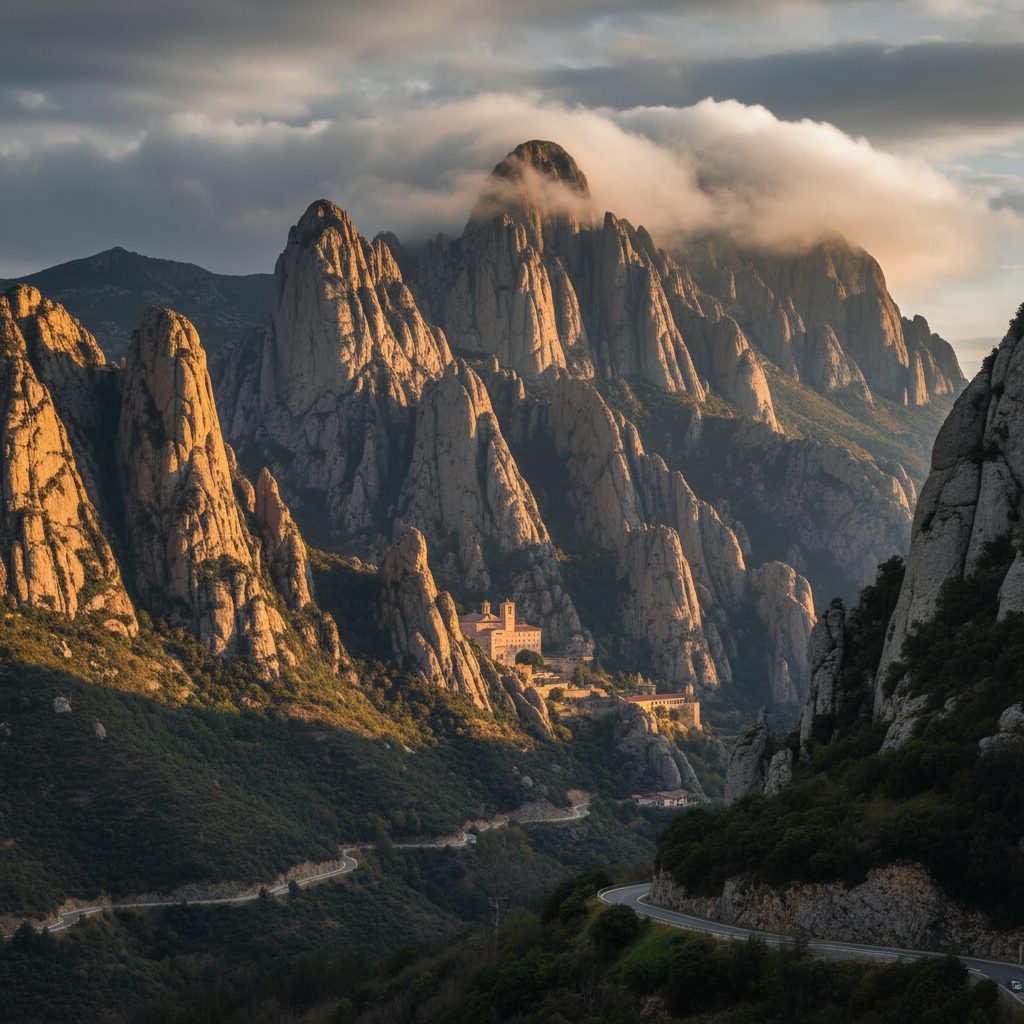
About 60 km northwest of Barcelona, the jagged limestone mountain of Montserrat rises dramatically from the Catalan plain like a natural cathedral. The Benedictine monastery clinging to its cliffs has been a pilgrimage site for over a thousand years, home to the Black Madonna (La Moreneta), one of the most revered religious icons in Catalonia. The setting is genuinely awe-inspiring — the monastery appears to float among the serrated rock pinnacles.
Beyond the monastery, Montserrat offers excellent hiking with trails ranging from easy 30-minute walks to challenging 4-hour loops through the peaks. The Sant Joan funicular takes you partway up for stunning panoramic views, and from there you can hike to the Sant Joan chapel or the more remote Sant Jeroni peak (the highest point at 1,236m) with views that stretch to the Pyrenees on clear days.
13. Bunkers del Carmel (Best Free Viewpoint)
For the best panoramic view of Barcelona — better than any paid observation deck — head to the Bunkers del Carmel, a set of Spanish Civil War–era anti-aircraft bunkers on top of Turó de la Rovira hill. From here you get a complete 360-degree sweep of the city: the Sagrada Familia, the sea, Montjuïc, Tibidabo, and the entire grid of the Eixample laid out like a perfect map below you. It's completely free, and locals come here with blankets and bottles of wine to watch the sunset.
14. Shopping in the Eixample
Barcelona's Eixample district is a grid of wide boulevards lined with modernist architecture and excellent shopping. Passeig de Gràcia has the luxury brands (Louis Vuitton, Chanel, Prada), but the real finds are on the side streets — independent Catalan designers, vintage shops, and specialty stores. Carrer d'Enric Granados is a semi-pedestrian street with cafés and boutiques, while the area around Carrer del Consell de Cent has a growing cluster of contemporary art galleries and design stores.
For high-street shopping, Portal de l'Àngel near Plaça Catalunya has all the major chains, and the Maremagnum mall on the waterfront is open on Sundays (when most shops in the city are closed). For something more unique, the weekend market at Fira de Bellcaire (also known as Encants) is a massive open-air flea market with vintage furniture, secondhand clothes, antiques, and curiosities.
15. Barcelona After Dark
Barcelona's nightlife is legendary and runs late — locals typically have dinner at 9–10 PM, head to bars around midnight, and clubs don't really get going until 2 AM. The scene is spread across several neighborhoods, each with its own vibe. El Born and the Gothic Quarter have atmospheric cocktail bars and small live music venues. Poble Sec's Carrer de Blai transitions from pintxos bars to late-night drinking spots. The Raval has a grittier, more alternative scene with dive bars and underground clubs.
For proper clubbing, the area around Port Olímpic and Poble Nou has the big venues — Razzmatazz (a massive five-room club), Opium, and Pacha. In summer, open-air clubs and beach parties pop up along the coast. Whatever your style, Barcelona has something going on every night of the week, and the atmosphere is generally warm, welcoming, and international.
Practical Information
Getting Around
Barcelona's metro is excellent, clean, and covers most tourist areas. A T-Casual card gives you 10 trips for €11.35 — far cheaper than buying single tickets (€2.40 each). The metro runs until midnight on weekdays, 2 AM on Fridays, and 24 hours on Saturdays. Beyond the metro, the city is incredibly walkable — most major attractions in the old town and Eixample are within 20–30 minutes of each other on foot. Bicycles are also popular; the Bicing bike-share system is for residents, but several rental companies offer daily rentals from €10–15.
Where to Stay
The best neighborhoods for tourists depend on your priorities. The Gothic Quarter and El Born put you in the historic heart with walking access to everything — but they can be noisy at night. The Eixample is elegant, central, and slightly quieter, with easy metro access. Gràcia offers a local neighborhood feel at lower prices. Barceloneta is perfect if beach access is a priority. Budget travelers should look at hostels in the Raval or Poble Sec, where dorm beds start at €20–30.
Safety Tips
Barcelona is generally safe, but pickpocketing is extremely common in tourist areas — La Rambla, the metro, Barceloneta beach, and crowded markets are the main hotspots. Use a money belt or front-zip bag, never put your phone on a restaurant table in a tourist area, and be wary of anyone who approaches you with a "survey," a "friendship bracelet," or a story about finding a ring on the ground (these are all common scams). Beyond petty theft, the city is very safe for solo travelers, women, and LGBTQ+ visitors.
Best Time to Visit
The sweet spots are May–June and September–October: warm enough for beaches, mild enough for walking, and without the crushing July–August crowds and heat (which regularly hits 35°C+). Winter (November–February) is quiet, mild (10–15°C), and great for cheaper accommodation and museum visits without lines. Avoid mid-August if possible — many local restaurants close for vacation, and the city is at peak tourist density.
Sample 5-Day Barcelona Itinerary
Day 1: The Gaudí Icons. Morning at Sagrada Familia (book 9 AM slot), then walk through the Eixample to Casa Batlló and Casa Milà on Passeig de Gràcia. Afternoon lunch in Gràcia neighborhood, then Park Güell for sunset.
Day 2: Old Town Deep Dive. Morning exploring the Gothic Quarter — Cathedral, Plaça del Rei, Roman temple. Lunch at La Boqueria market. Afternoon in El Born — Picasso Museum, Santa Maria del Mar, boutique shopping. Evening pintxos on Carrer de Blai in Poble Sec.
Day 3: Beach & Montjuïc. Morning at Barceloneta Beach. Take the cable car up to Montjuïc after lunch. Visit Fundació Miró or MNAC. Catch the Magic Fountain show in the evening.
Day 4: Montserrat Day Trip. Full day excursion to Montserrat — monastery, hiking, mountain views. Return for a late dinner in the Gothic Quarter or El Born.
Day 5: Local Barcelona. Morning coffee and croissants in Gràcia. Visit any museums you missed. Afternoon at Bunkers del Carmel for the panoramic view. Final tapas dinner. Late-night drinks at your favorite neighborhood bar.
"Barcelona is a city you can visit ten times and still discover something new. Every neighborhood has its own personality, every corner has a story, and the light — the way the Mediterranean light hits those modernist facades in the late afternoon — is something no photograph can fully capture."